Guides
Key Art: What It Is and How It Differs From Concept Art
Learn what key art is, how it differs from concept art, splash art, and posters, and how one hero image becomes the visual anchor for a campaign.
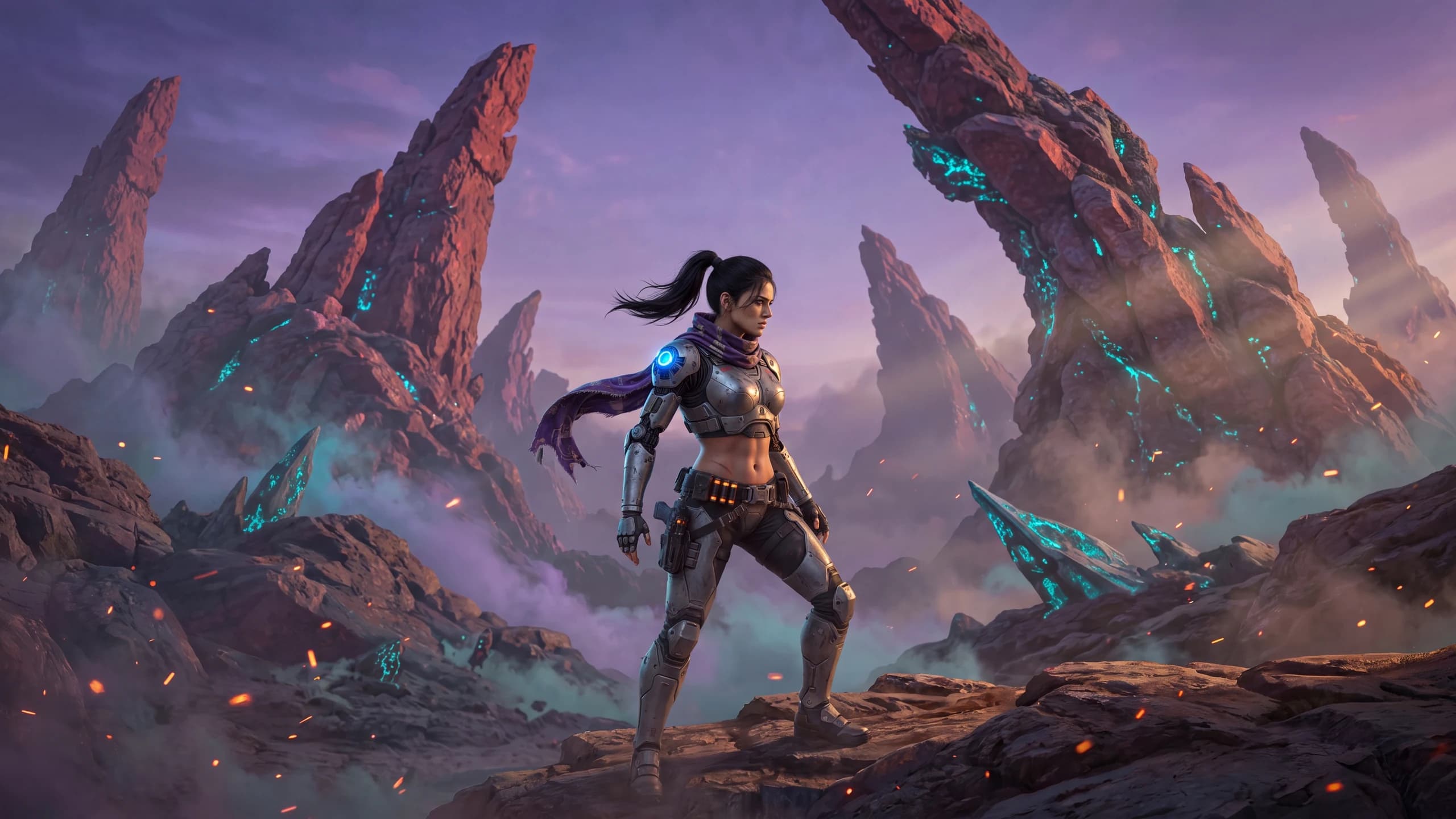
The campaign anchor
One recognizable image, built to survive every crop.
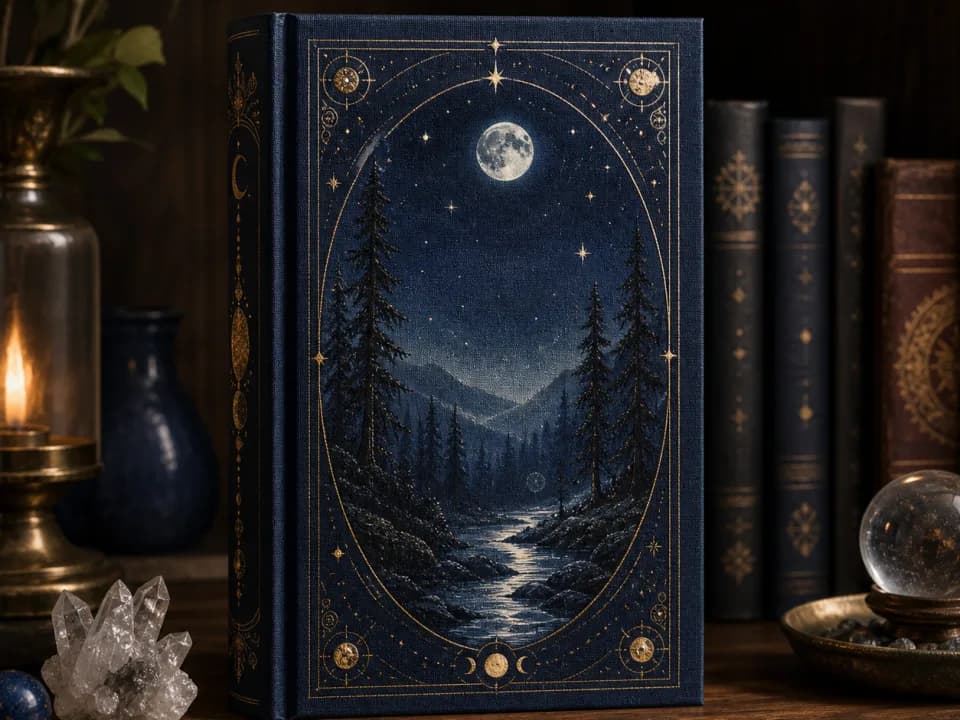
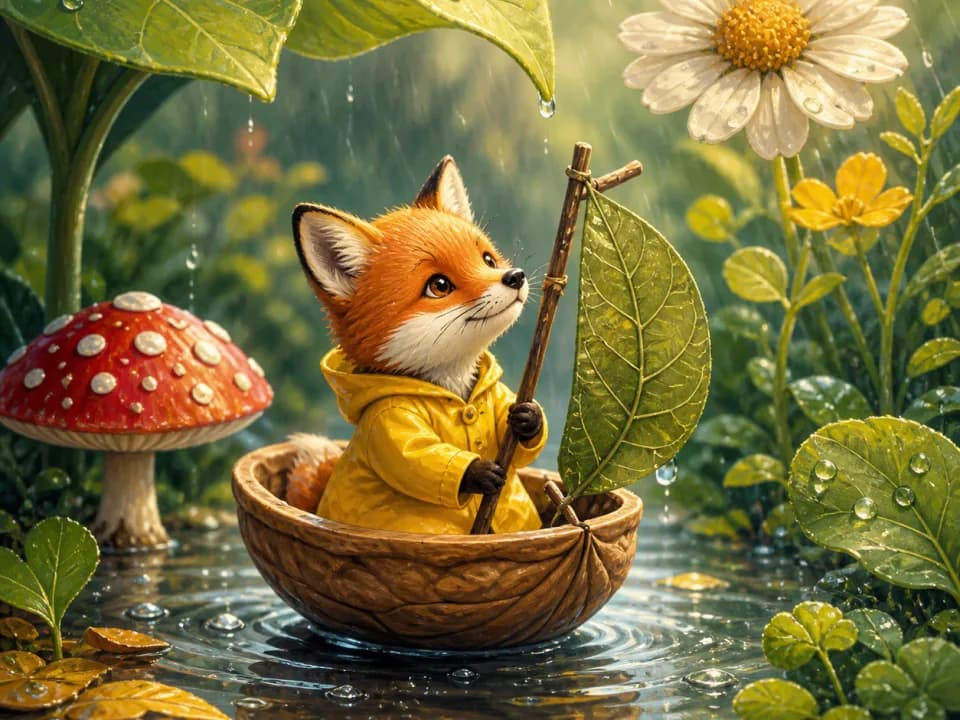
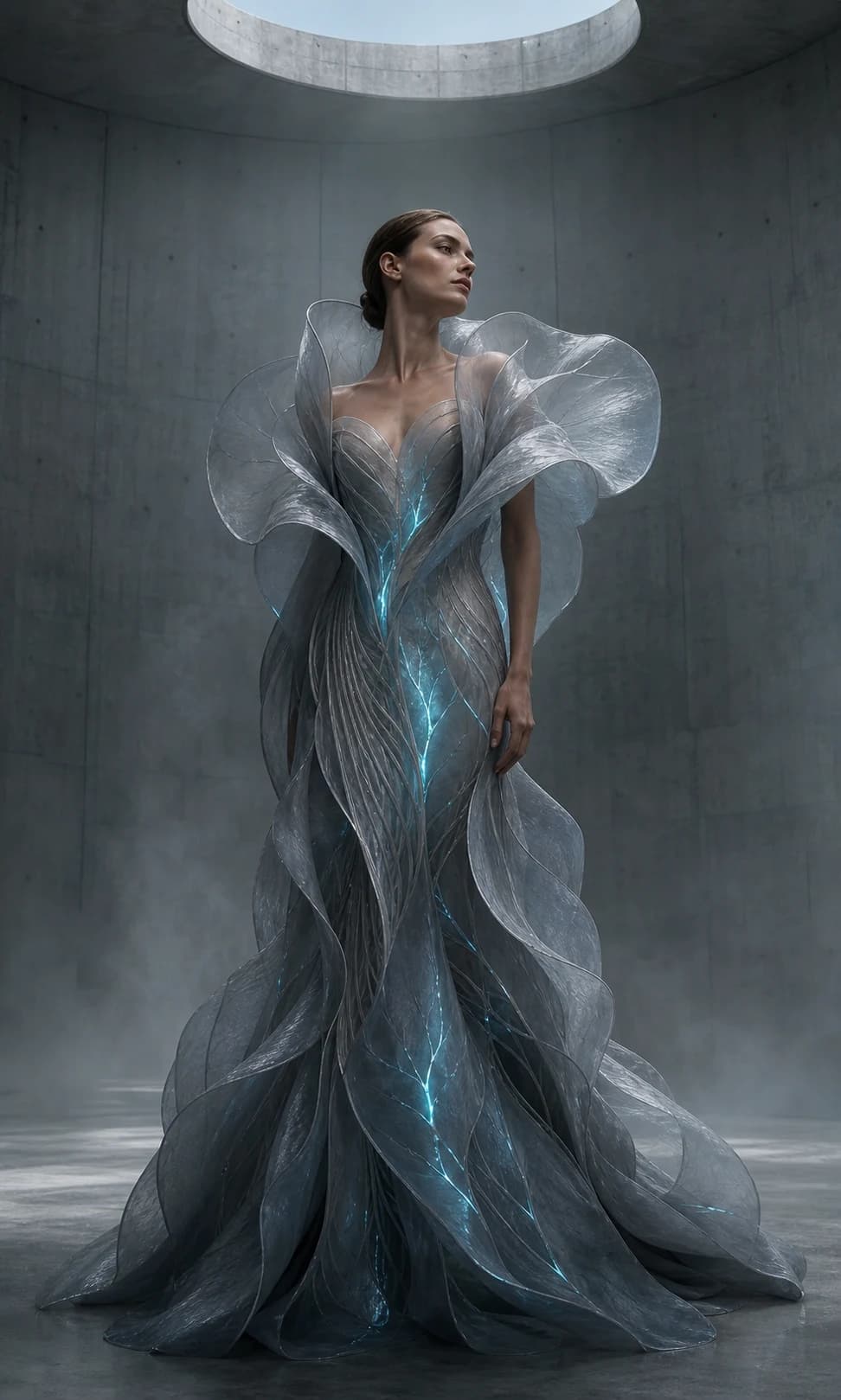
Key art is the single hero image a film, TV show, or game is marketed with: the one picture that shows up on the poster, the streaming thumbnail, the billboard, the ad, and the box. The Hollywood Reporter has defined it as the singular, iconographic image that is the foundation upon which a marketing campaign is built. Think of the dripping knife on the poster for a horror film, or a game's cover character striking a pose that ends up on every ad. That image is the key art, and everything else in the campaign is built to match it.
The word gets confused with concept art, splash art, and posters, which are related but not the same thing. This guide sorts out what key art actually is, how it differs from each of those, and how it gets made.
What is the meaning of key art?
Key art, also called a key visual, is the artwork repeated across media: posters, print, television and digital ads, streaming or download thumbnails, and DVD or Blu-Ray box covers. It is the anchor of a marketing campaign. Pick any big title and the same core image follows it everywhere, resized and re-cropped but recognizably one visual identity.
The term comes out of Hollywood. The Key Art Awards, which honor entertainment advertising, were established in 1972, so the idea of a single defining campaign image is decades old. Historically key art was understood to mean the movie poster itself, but the meaning expanded as digital media added thumbnails, social banners, and store tiles to the list of surfaces one image has to work on. Some pieces of key art become cultural shorthand on their own: in 2005 the imagery from The Silence of the Lambs and The Shining was voted the most iconic key art of the previous 35 years. Good key art is memorable enough to bring a title to mind without showing the title at all.
It is not only a film thing. Key art extends to any intellectual property: book covers, album covers, and game covers all have a central image that gets repurposed across the whole campaign.
Key art vs concept art
This is the pairing people mix up most, and the distinction is simple once you see it: concept art faces inward, key art faces outward.
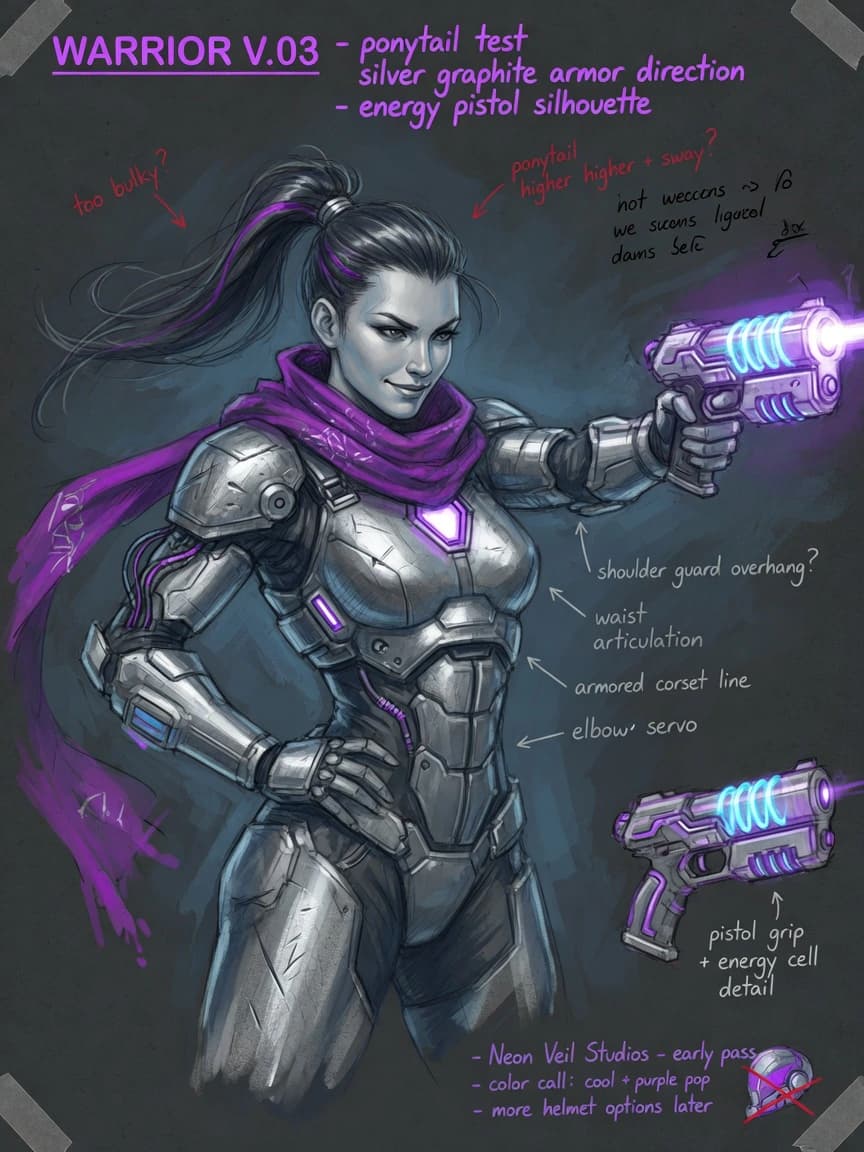
Concept art · inward
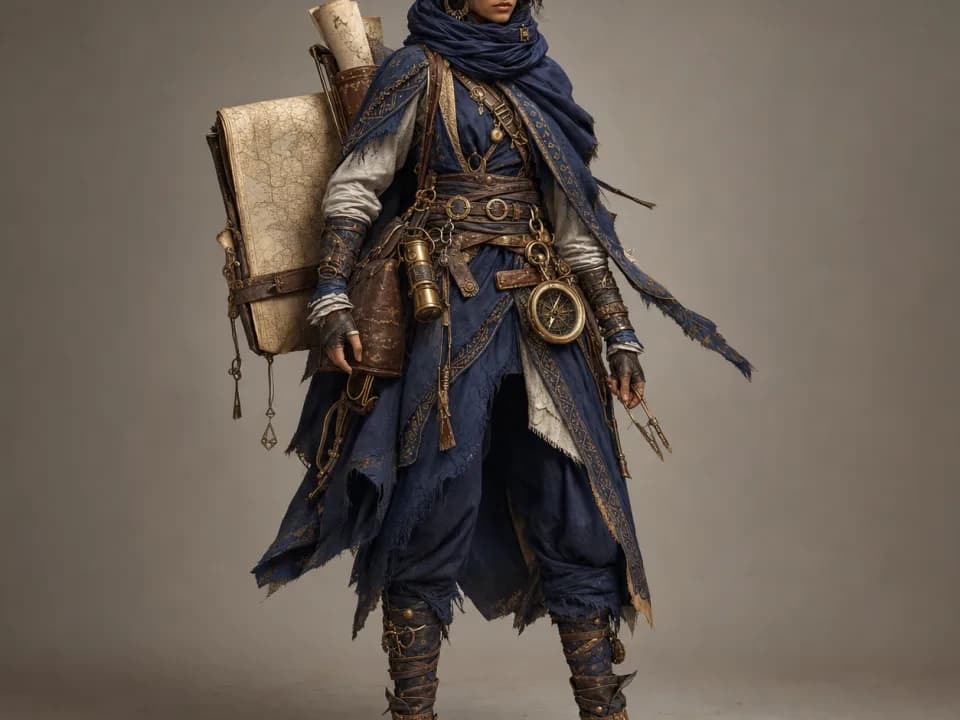
Explore what the character could be.
Early, changeable, and made for the production team.
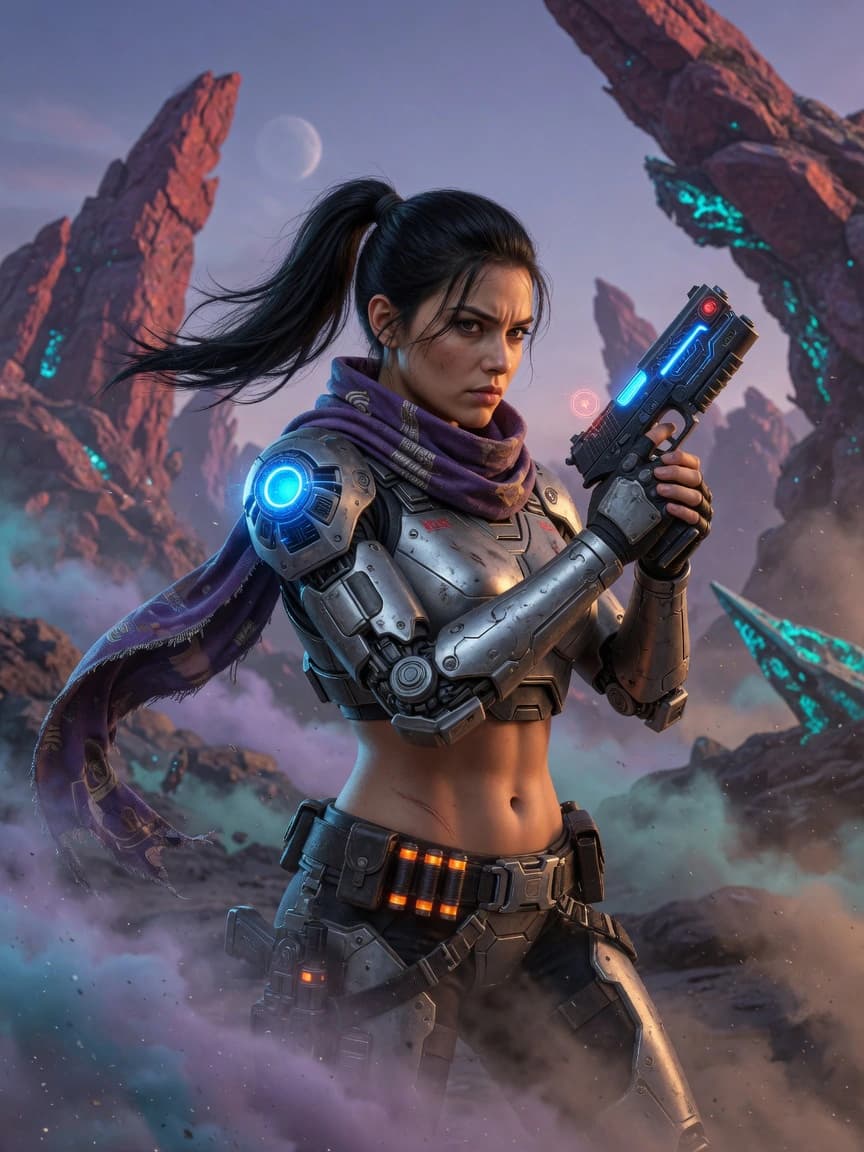
Key art · outward
Commit to the image that sells her.
Finished, recognizable, and made for the audience.
Concept art is an internal development tool. It is made early, in pre-production, to figure out what the film or game will look like before the expensive work of building it begins. Concept artists explore characters, environments, creatures, and moods so the team can agree on a visual direction. It changes constantly, most of it never ships, and it is not meant to be a finished product. Its job is to answer the question "what should this thing look like?" for the people making it. If you want the full pipeline, see our guide on how to make concept art.
Key art is a finished marketing asset. It is made late, once the look is locked, to sell the final product to an audience. It is polished, deliberate, and singular, one image chosen to represent the whole thing. Its job is to answer a different question: "why should you watch or play this?"
So the same production generates both, but at opposite ends. Concept art helps build the world; key art sells it. A concept artist might produce hundreds of exploratory images during development; the key art is the one hero image the marketing team commits to at the end. They can even look similar in style, especially for games, but their purpose, timing, and audience are different.
What is the difference between key art and a poster?
A poster is one thing you do with key art. The key art is the underlying image; the poster is that image laid out for a specific format with the marketing furniture added on top. Put plainly: a movie poster is key art, but key art is more than a poster.
Turning key art into a finished theatrical poster usually means adding two elements the raw artwork does not include:
- The title treatment: the custom-designed version of the title, a distinct branded element that stays consistent across every piece of the campaign.
- The billing block: the compressed list of names and companies at the bottom of the poster. It is not decoration, it is contractual. Agreements dictate how large a name appears relative to the title and in what order, which is why that dense strip of tiny text is legally load-bearing.
The same key art then gets re-cut for surfaces that have nothing to do with a printed one-sheet: a square social tile, a wide billboard, a vertical bus-shelter panel, a 16:9 streaming thumbnail. Each of those is a layout of the key art, not a separate piece of art. That is the whole point of key art existing as its own asset: design one strong image, then adapt it everywhere instead of inventing a new picture for every placement. Because so much campaign spend rides on one image, iconic key art is often illustrated or composited specifically for the campaign rather than pulled from an on-set photo or a film frame.
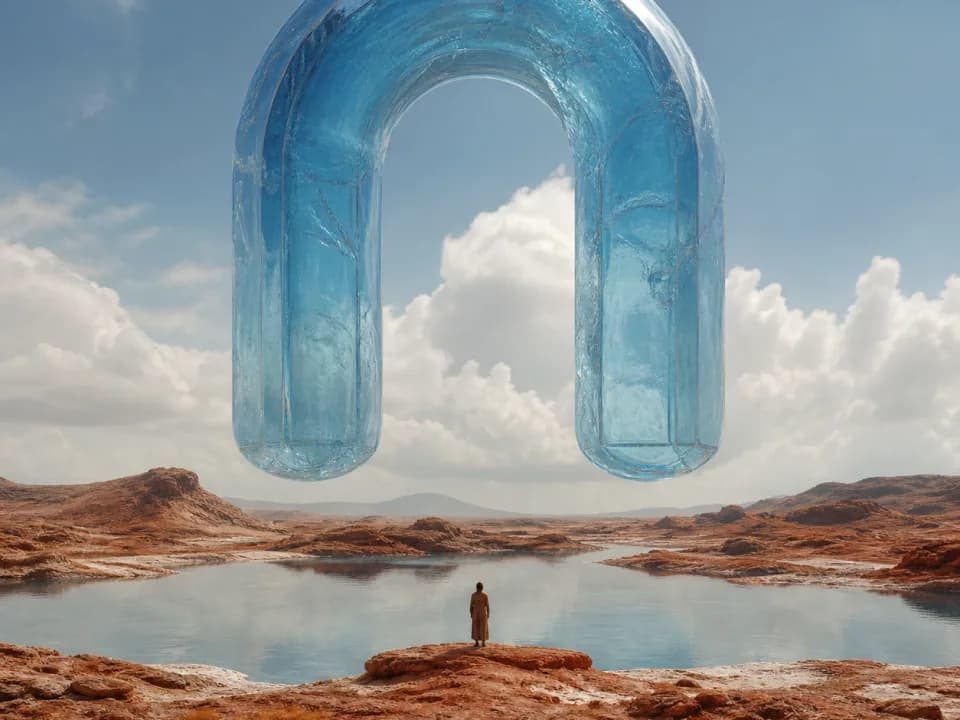
NYRA
The last horizon
NYRA
NYRA
Coming soon
Key art vs splash art and other cousins
A few more terms live in the same neighborhood and are worth pinning down:
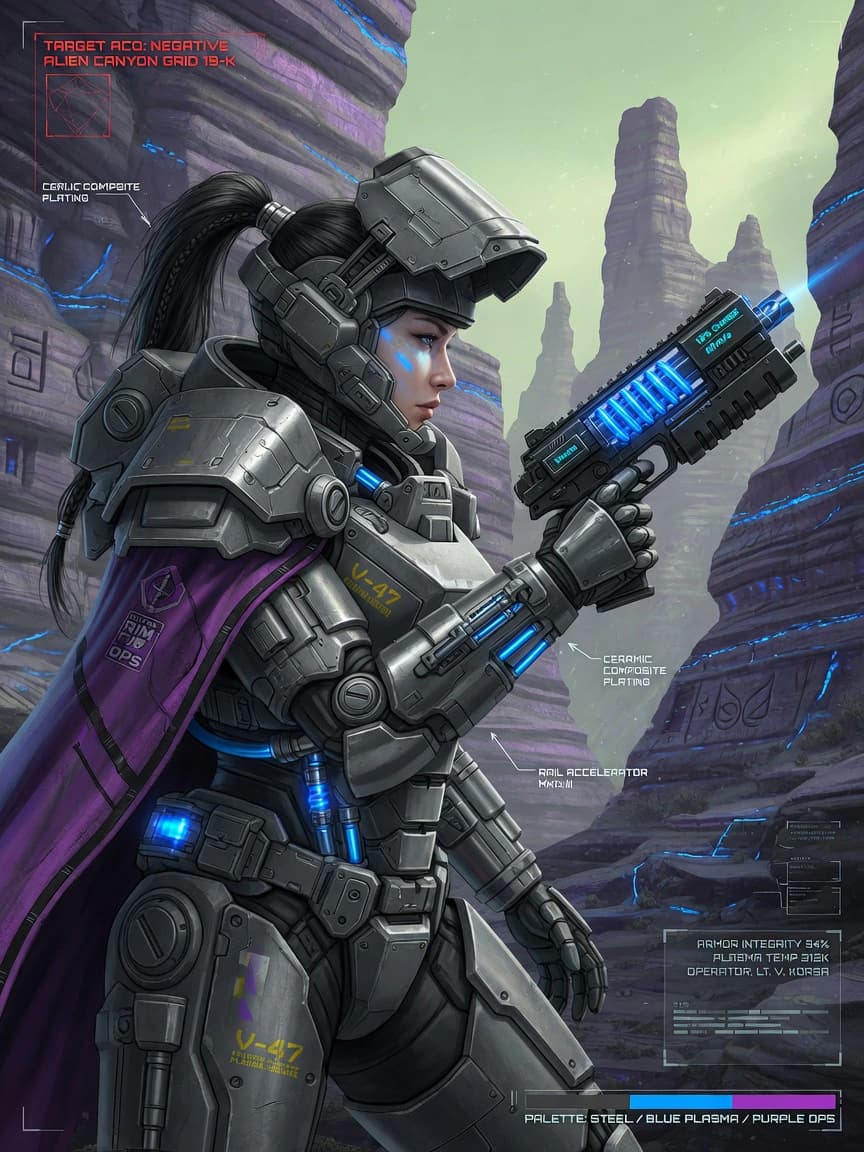
Internal · early
Concept art
Explores the world
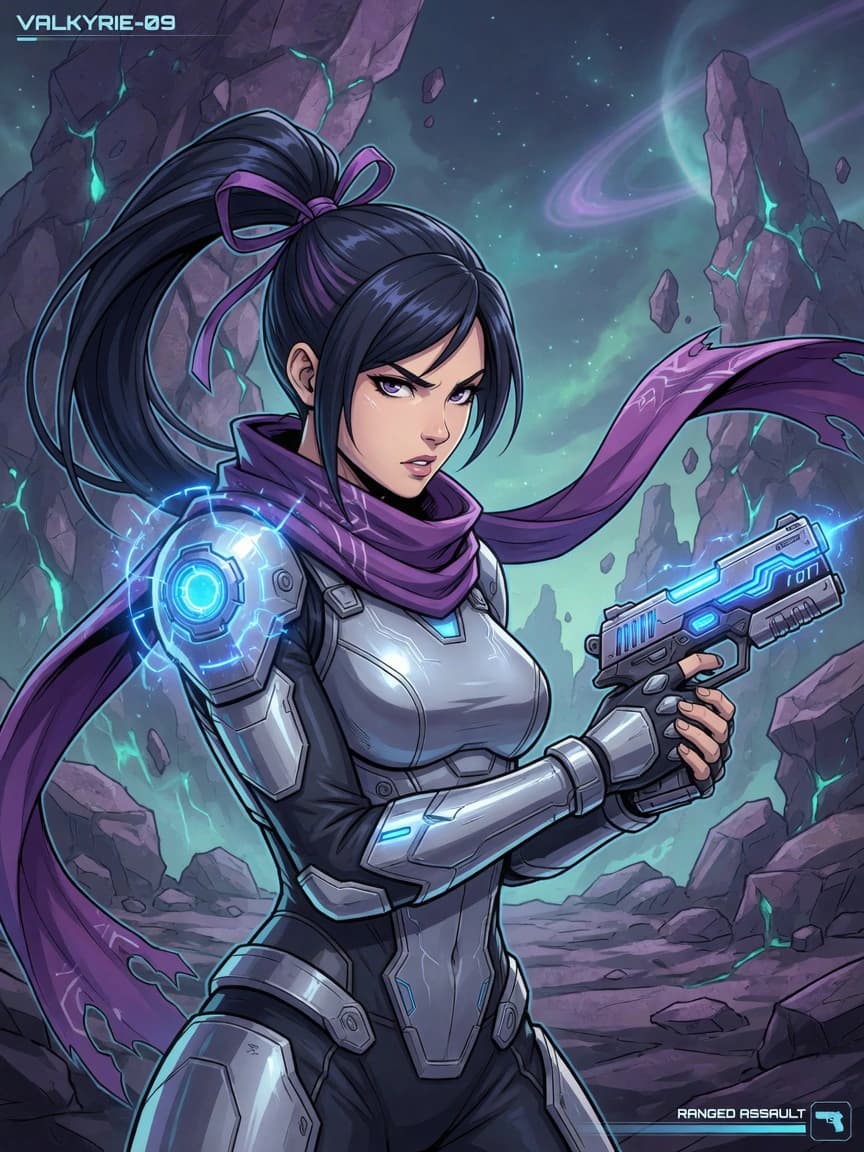
In-product · polished
Splash art
Spotlights one character
Campaign · final
Key art
Sells the whole title
- Splash art is a games term for the illustrated artwork of a character or skin, shown on the champion-select and loading screens and in the store. League of Legends is the canonical example: every champion and skin gets its own splash art that reflects that character's personality and lore. It is character-first hero illustration seen inside the game, whereas key art is the one image that markets the whole title from outside it.
- A poster is a format, one layout of the key art, as covered above.
- Concept art is the internal development artwork, as covered above.
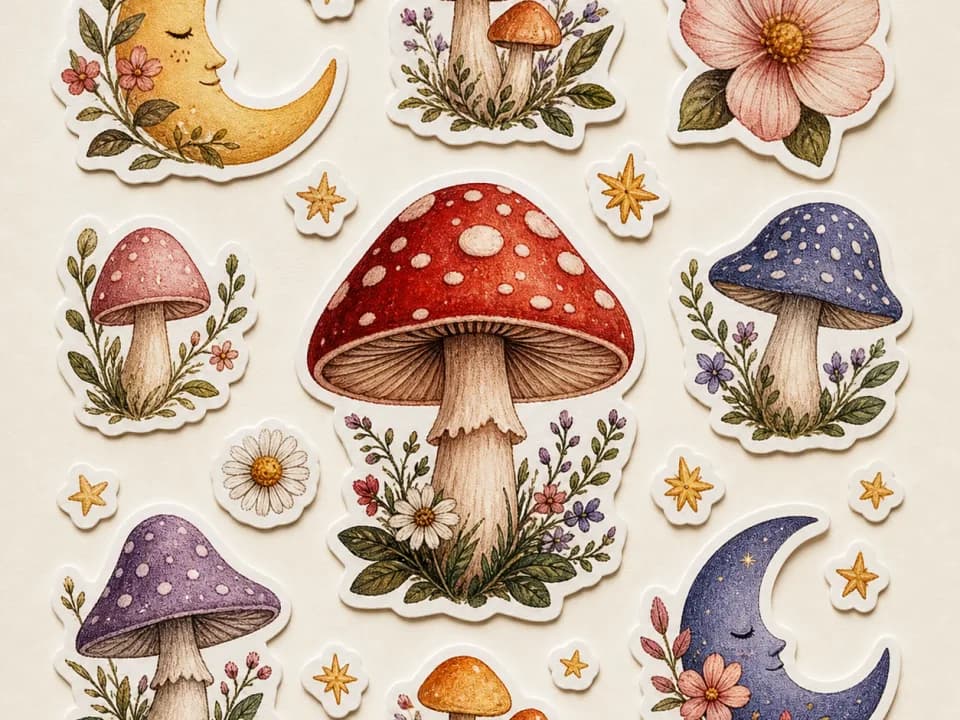
- Illustration is the broad craft. Key art and splash art are both illustration put to a specific job; concept art is illustration used to explore rather than to sell.
The clean mental model: concept art explores the look, splash art shows off a character inside the product, and key art sells the whole thing to the outside world.
What is key art in games?
In games, key art does double duty. During development it helps convey a vision of the game to the team of artists, giving everyone a north star for tone and style. Then, at launch, that same anchoring image becomes the marketing: the Steam and console store hero, the box or digital cover, the ad creative, the trade-show banner. So game key art blurs the concept-art line a little more than film key art does, because the hero image that rallies the team can also become the image that sells the game.
What makes game key art distinct is that it usually has to carry a character or a world, not just a mood. It signals genre and tone in a glance (a gritty shooter reads differently from a cozy farming sim), holds up cropped down to a small store thumbnail, and stays consistent with the splash art and in-game style so the promise on the cover matches the product inside.
How to create key art
Whether you are marketing a film, a game, or your own indie project, strong key art tends to follow the same path:
- Find the one idea. Key art works when it commits to a single concept: one character, one symbol, one moment, one mood. Before touching an image, decide the single thing this picture must communicate about the story. A busy collage of everything reads as nothing.
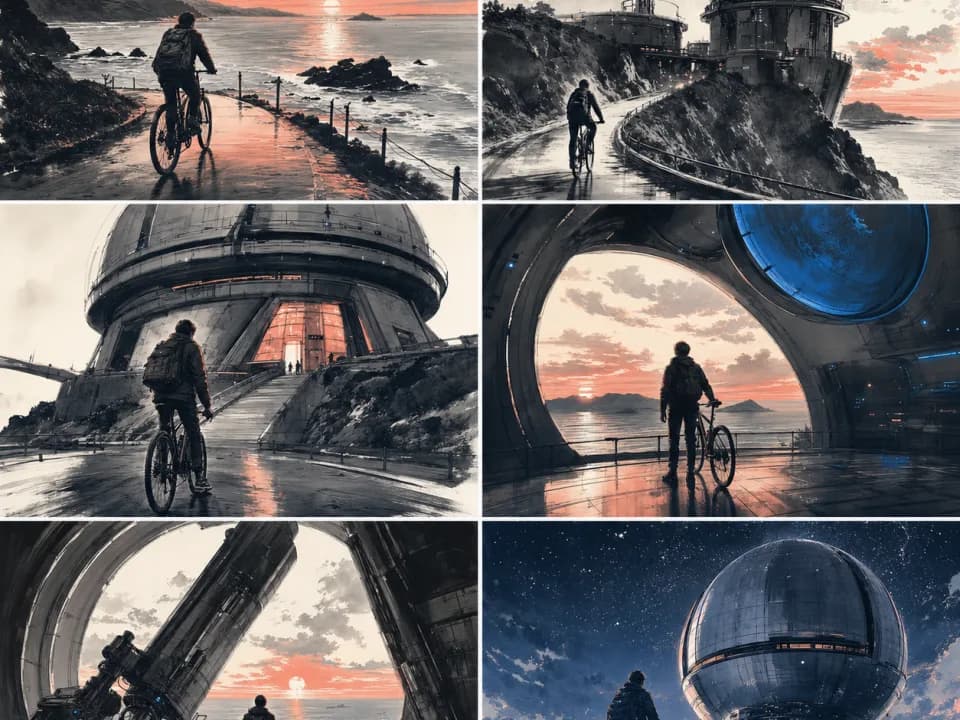
- Explore compositions cheaply. Generate a wide spread of directions before committing. This is the comp stage, where you want quantity: different framings, palettes, and focal points to react to. Getting many rough options in front of the team early is far cheaper than polishing the wrong one.
- Pick a direction and refine it. Choose the strongest comp and push it to a finished, polished image. This is where lighting, detail, and craft matter, because this single frame has to carry the campaign.
- Design the title treatment. Create the custom title lockup as its own element so it stays consistent across every surface.
- Adapt to every format. Re-crop and re-lay-out the finished art for each placement: vertical poster, square social tile, wide billboard, 16:9 thumbnail. Leave room for the billing block on the formats that need it, and check the image still reads at thumbnail size, since a streaming viewer may look at it for barely more than a second before deciding.
The comp stage is where AI generation earns its place. Exploring key-art directions used to mean commissioning rough illustrations or mocking them up by hand; now you can generate a dozen framings and moods in minutes and use them to decide the direction before any expensive finishing work. Our AI concept art generator is built for exactly this kind of fast visual exploration: describe the character, world, or mood and get a spread of directions to react to, so you settle the idea before you commit to a final. For picking a look, our roundup of AI art styles is a useful reference on the vocabulary that steers the output.
None of this replaces the human judgment of choosing the single image that a whole campaign will live or die on. But it makes the exploration in front of that decision fast and cheap, which is where most of the good options come from.
The bottom line
Key art is the one hero image a title is sold with, the anchor every poster, thumbnail, and ad is built from. Concept art comes before it and faces the team; a poster comes after it and is one format it ships in; splash art is the games-world cousin that lives inside the product. Nail the single idea first, explore compositions widely, then commit to and polish the one image that has to do the selling.