Guides
AI Art Styles: 16 Styles Worth Knowing, With Prompts for Each
Explore 16 AI art styles, including photorealism, watercolor, ukiyo-e, pixel art, and cyberpunk, with use cases and adaptable prompt examples.
What are AI art styles?
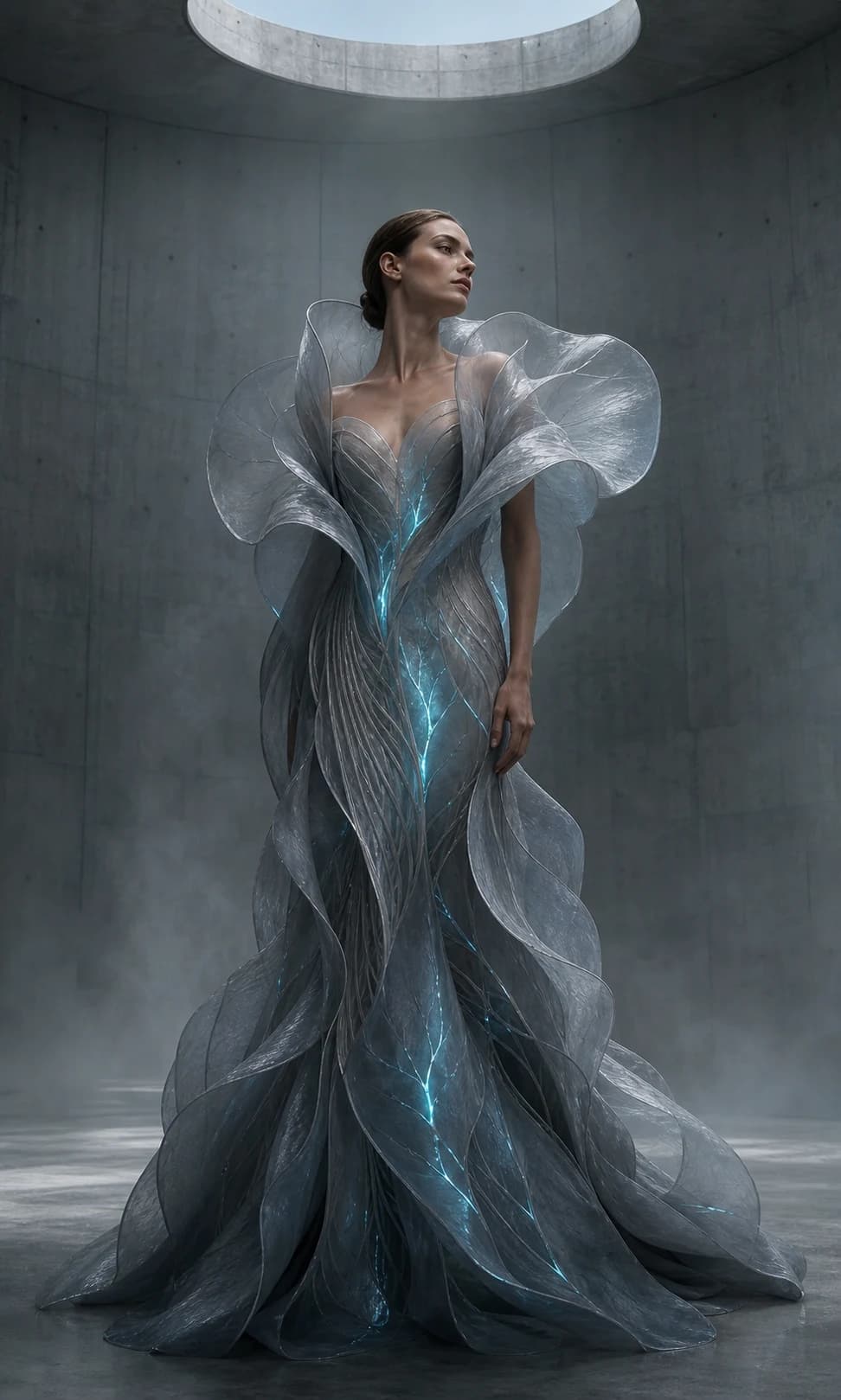
An AI art style is the visual language you ask an image generator to speak: photorealism, watercolor, anime, pixel art, ukiyo-e, and dozens more. The same subject rendered in two styles produces two completely different images, so the style words in your prompt often matter more than the subject words. This guide is a working list of the styles that produce reliable results, what each one looks like, when to reach for it, and an original prompt snippet you can adapt for each.
One framing before the list: styles are not decoration, they are decisions. A logo wants flat vector, not oil paint. A YouTube thumbnail wants high contrast, not soft pastel washes. Pick the style for the job first, then write the subject into it.
How to use art styles in AI image prompts
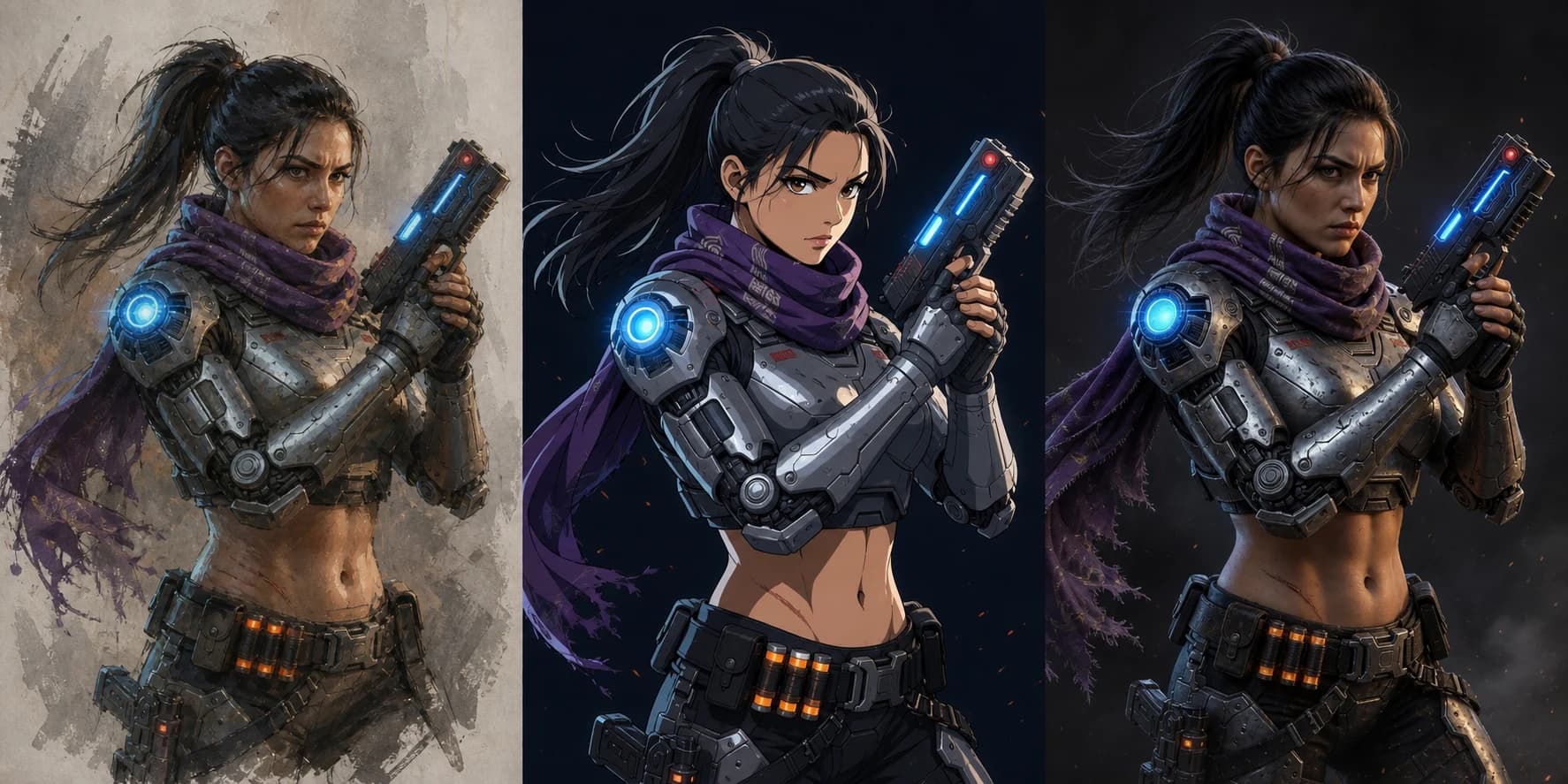
Every effective style prompt has the same skeleton: subject + style + supporting details. The subject says what is in the image, the style says how it is rendered, and the supporting details (lighting, color palette, composition, mood) reinforce the style instead of fighting it.
- Name the style explicitly. "A fox in a forest, watercolor painting" beats "a pretty artistic fox." Generators respond to concrete style vocabulary because those words are anchored to consistent visual patterns.
- Stack two or three reinforcing descriptors. "Watercolor, soft washes, visible paper texture" pulls harder in one direction than a single word. Contradictory stacks ("photorealistic watercolor cartoon") pull in three directions and produce mush.
- Match lighting and palette to the style. Neon and rain belong with cyberpunk. Muted earth pigments belong with ukiyo-e. If you say nothing, the model picks defaults that may undercut the style.
- Iterate in small steps. Change one variable per generation. If a batch misses, adjust the style descriptors before rewriting the whole subject.
The snippets below follow that skeleton. Swap the subject, keep the style scaffolding.
Photography and realism styles
Photorealistic
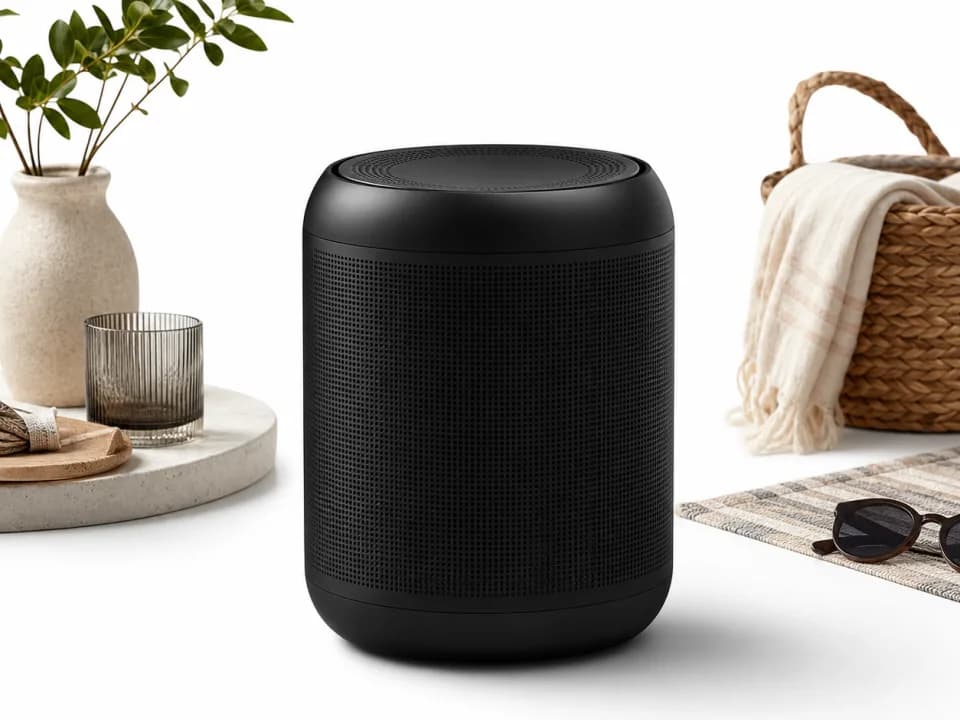
The default request for product shots, portraits, and anything that needs to pass as a photograph. Modern generators are strong here, and the differentiator is your lighting and lens vocabulary: specify the shot like a photographer would brief it.
Prompt sketch: "A ceramic coffee mug on a walnut desk beside a rain-streaked window, photorealistic, soft morning side light, shallow depth of field, 50mm lens look."
Photorealism is also the base register for AI Instagram models, where the added requirement is that the same face persists across every image. If that is your use case, see our guide on how to create an AI influencer, because consistency is a workflow problem, not a prompt word.
Cinematic
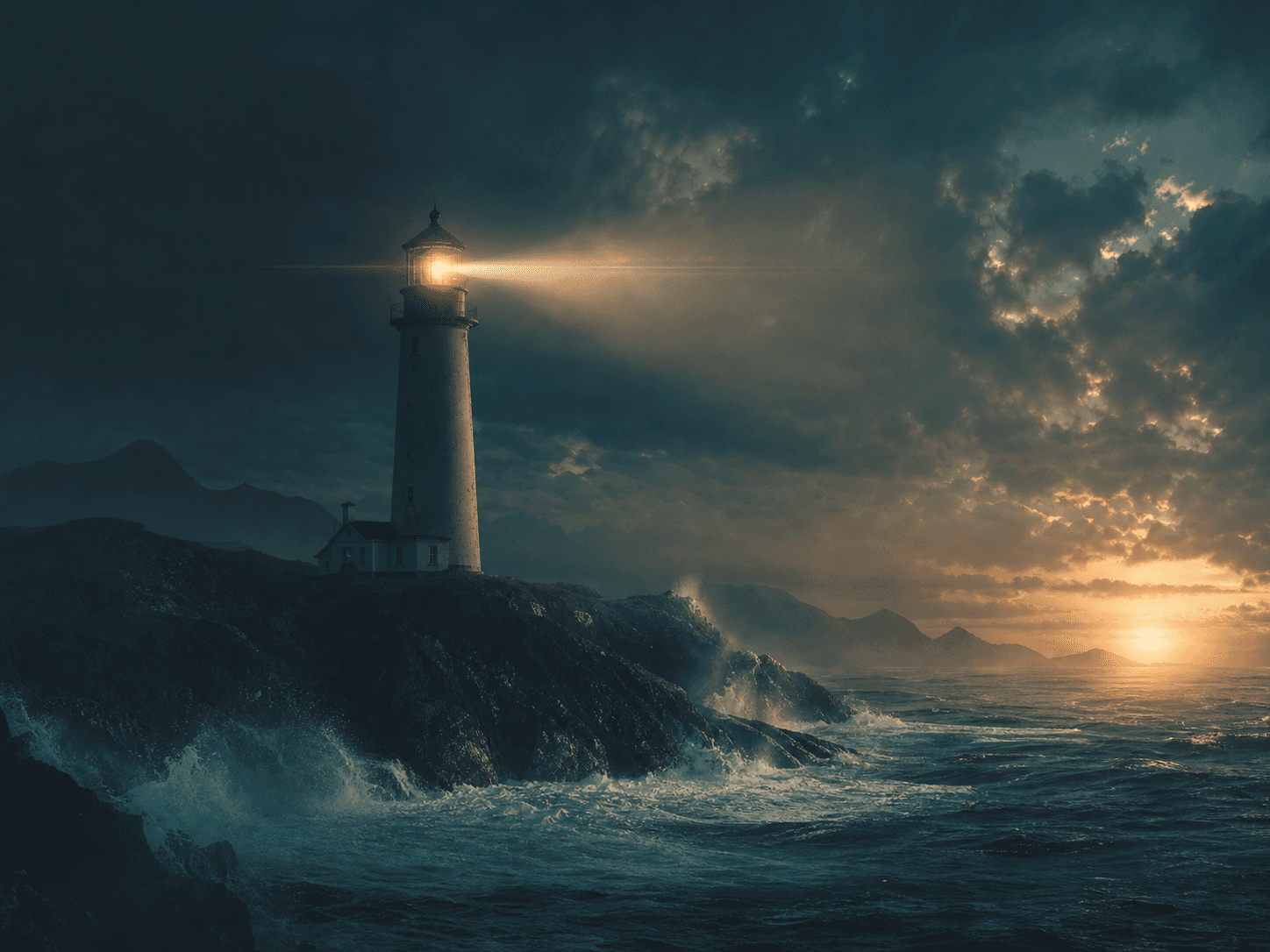
Photorealism with a film grade on top: anamorphic framing, motivated color palettes, atmosphere. Use it for hero images, posters, and thumbnails that need drama rather than accuracy. Composition language does the heavy lifting, which is why it pairs well with the framing rules in our thumbnail composition guide.
Prompt sketch: "A lone hiker on a ridge at dusk, cinematic still, teal and orange grade, volumetric haze, wide anamorphic framing, strong silhouette."
Painting and drawing styles
Watercolor
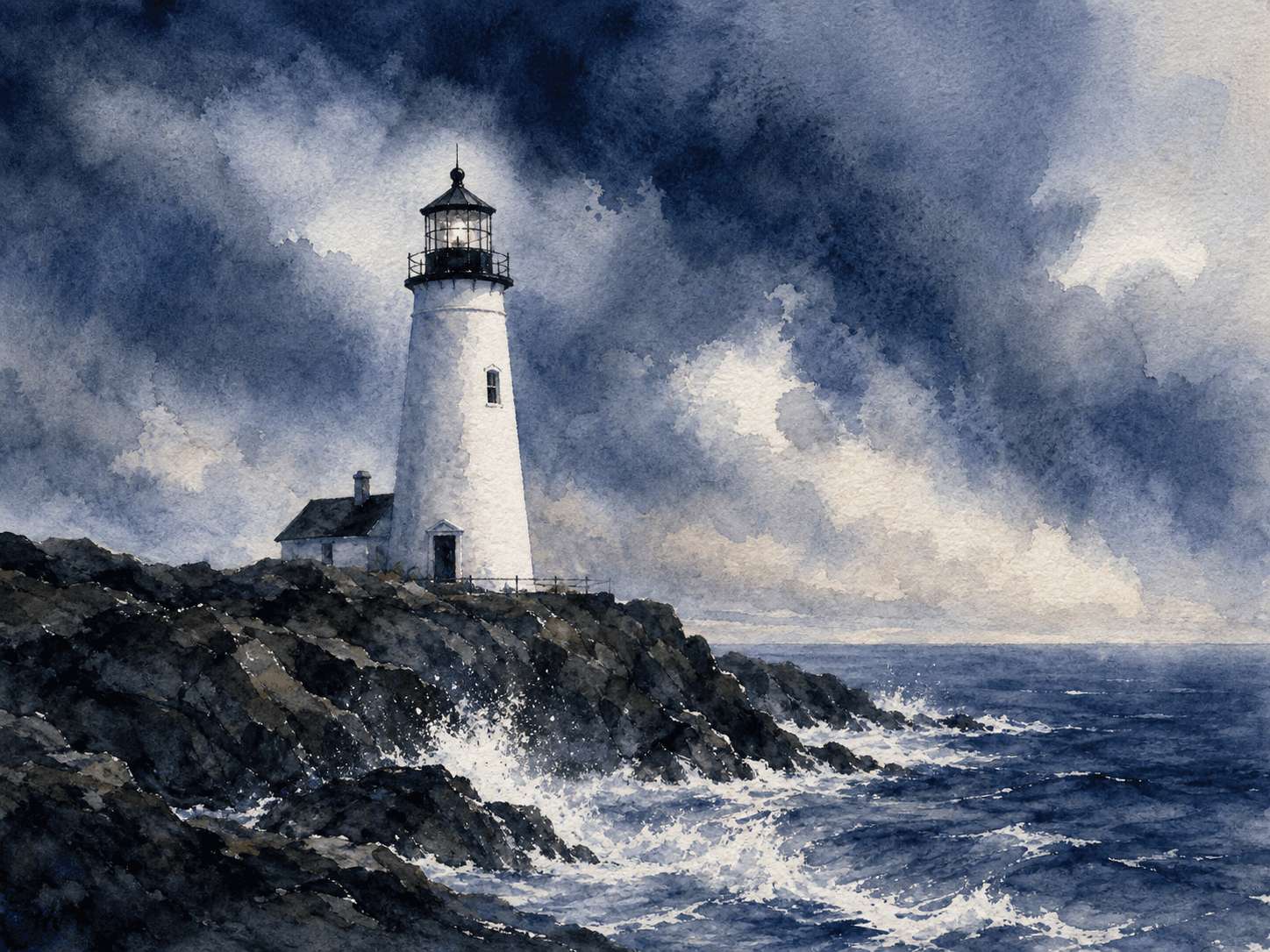
Transparent washes, soft bleeding edges, and visible paper texture. Watercolor reads as gentle and handmade, which makes it a favorite for children's book art, botanical studies, and warm personal pieces like pet portraits. Ask for what the medium actually does: granulation, wet-on-wet bleeds, white paper left as highlights.
Prompt sketch: "A sleeping tabby cat curled on a striped blanket, loose watercolor, wet-on-wet bleeds, muted warm palette, white paper showing through the highlights."
Oil painting and impressionism
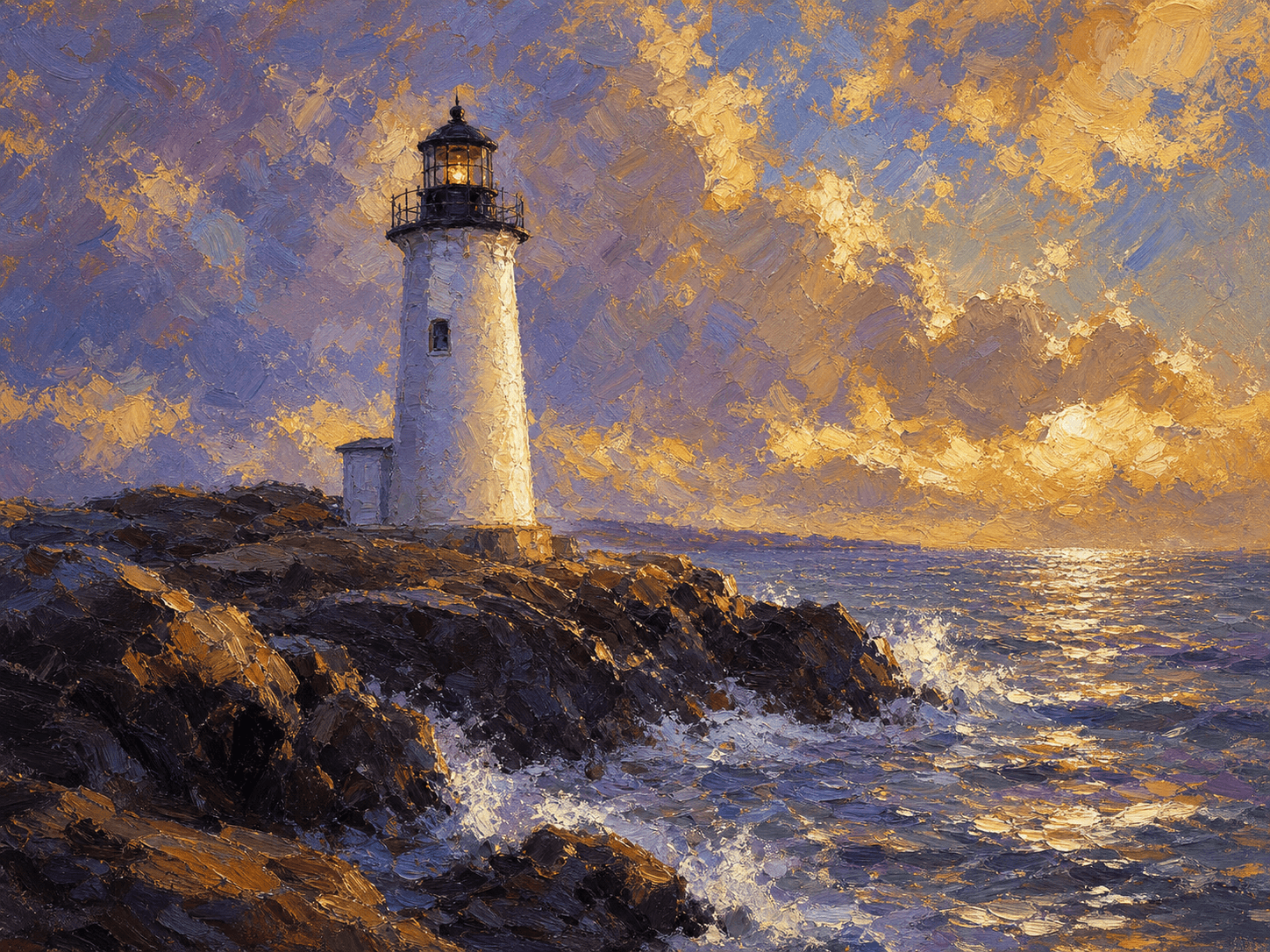
Thick visible brushwork and rich layered color. The most useful reference point inside this family is impressionism, the 19th century French movement named after Claude Monet's 1872 painting Impression, Sunrise: short broken brushstrokes, everyday scenes, and an obsession with natural light. Prompting "impressionist oil painting" gets you that vocabulary without naming any artist.
Prompt sketch: "A busy farmers market under late afternoon sun, impressionist oil painting, broken brushstrokes, dappled light, warm ochre and violet shadows."
Ink and line art
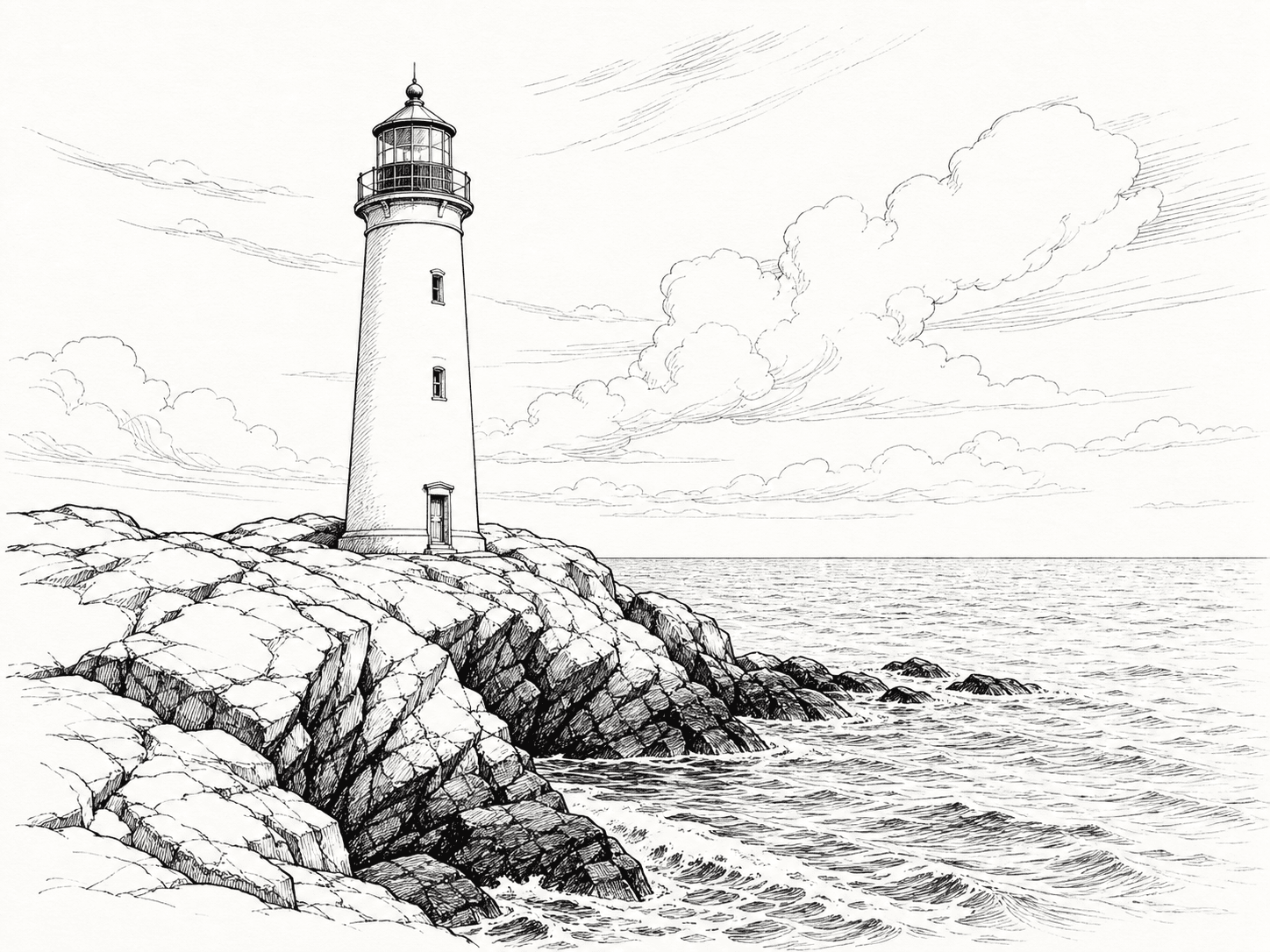
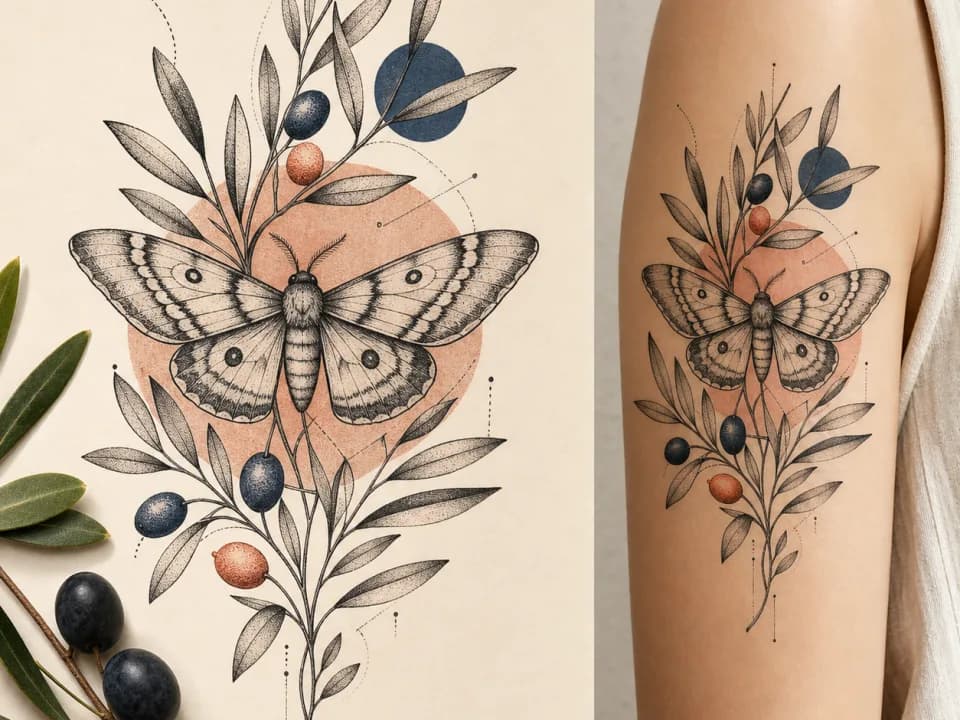
Clean black linework with minimal or no fill. This is the style family behind minimalist tattoo flash, editorial spot illustrations, and coloring book pages. Line weight is the control knob: single-weight fine line reads delicate, bold variable-weight ink reads graphic. It is the natural preview style for fine line and blackwork tattoo concepts, a workflow we cover in our tattoo design ideas guide.
Prompt sketch: "A wren perched on a sprig of rosemary, fine line ink drawing, single-weight black lines, no shading, white background."
Ukiyo-e
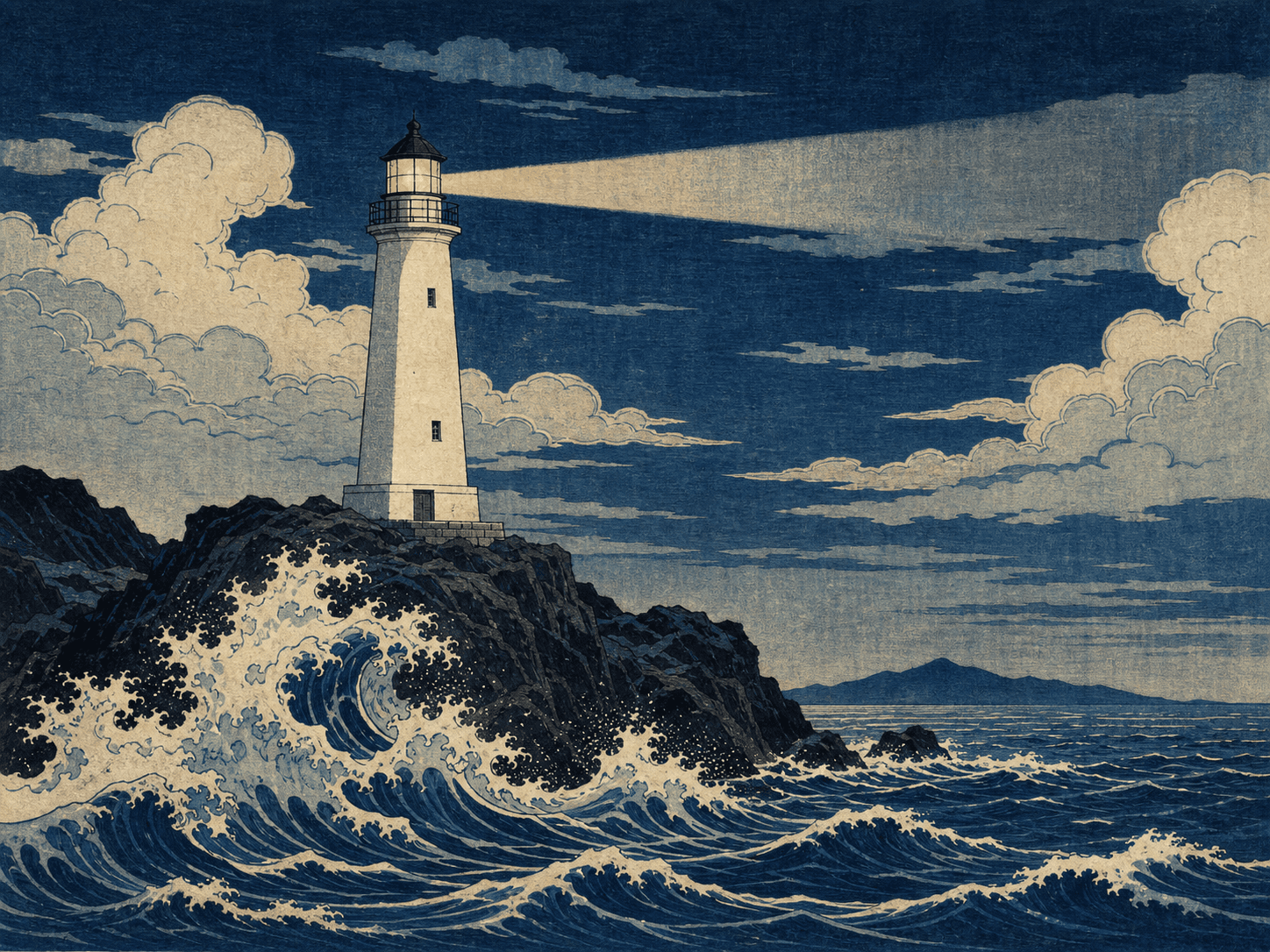
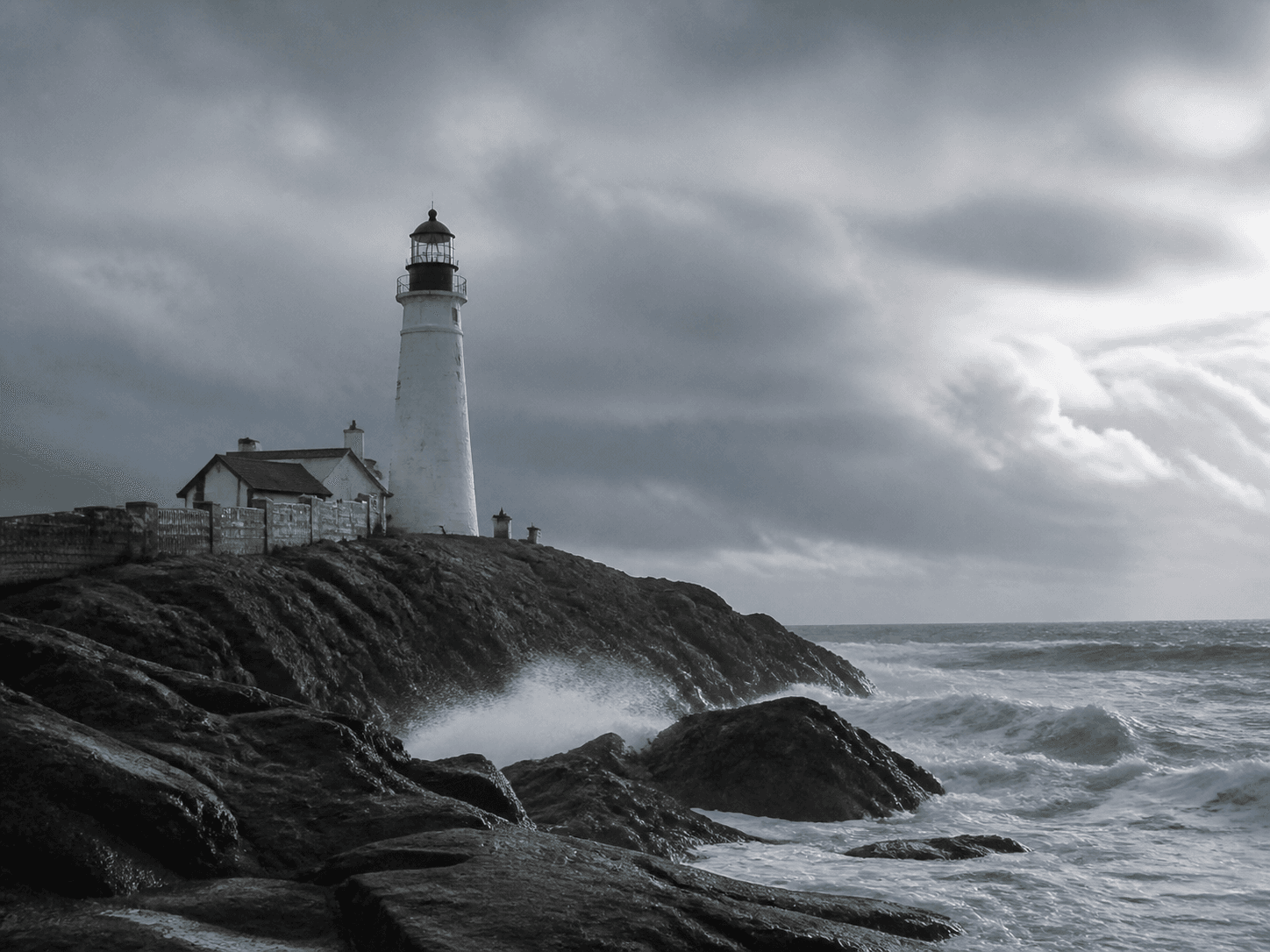
The Japanese woodblock print tradition that flourished from the 17th through 19th centuries, whose most reproduced image is Hokusai's Great Wave off Kanagawa (1831). The look: flat color planes, bold outlines, stylized waves and clouds, and a restrained pigment palette. It turns landscapes and nature subjects into instantly recognizable graphic art.
Prompt sketch: "A lighthouse on a rocky coast in a storm, ukiyo-e woodblock print style, flat indigo and cream palette, stylized foam curls, visible print texture."
Art nouveau
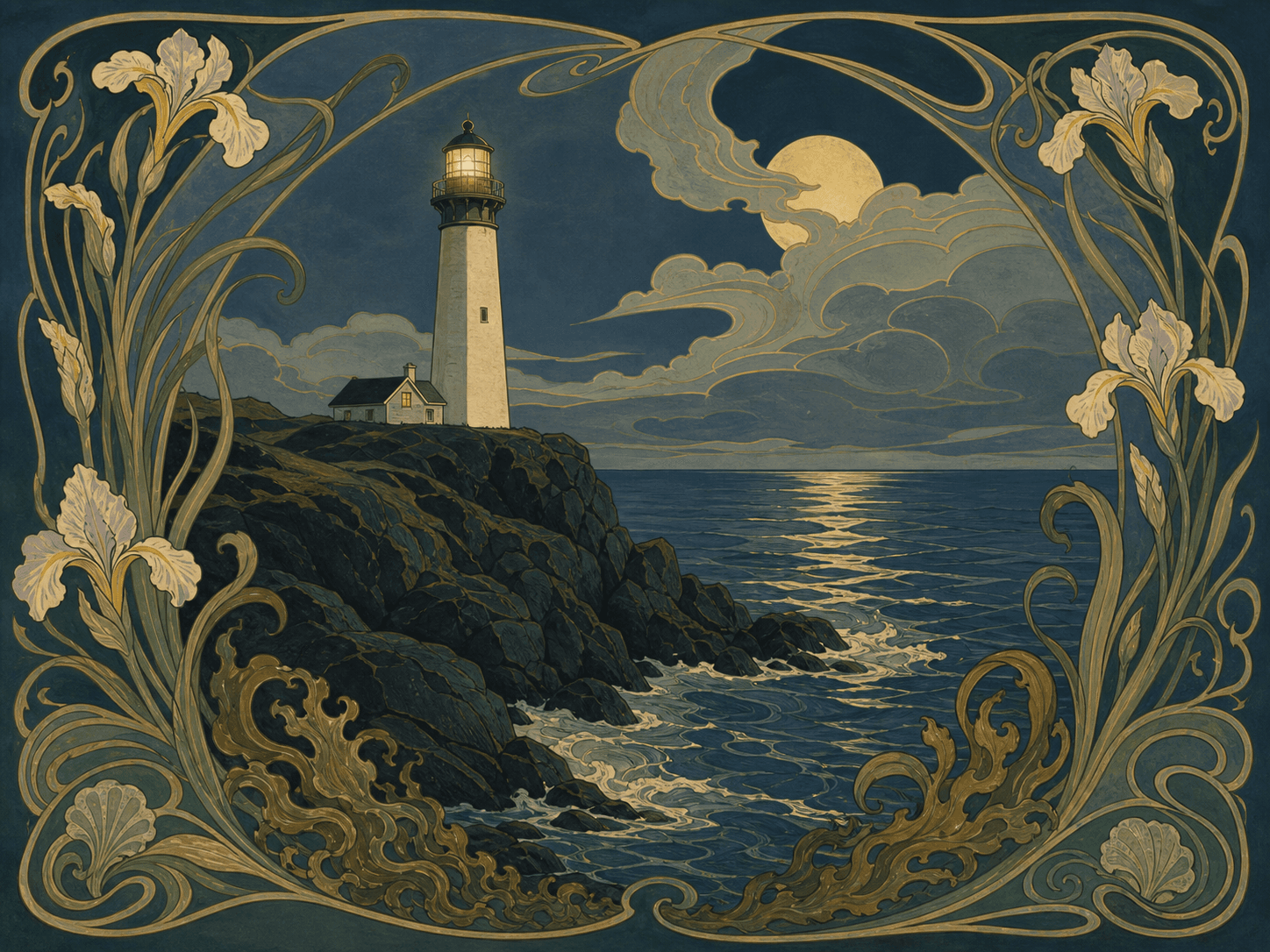
The decorative style that flourished roughly 1890 to 1910: flowing organic lines, botanical motifs, and ornamental framing, defined for most people by Alphonse Mucha's poster work. It excels at posters, labels, and anything that wants an elegant vintage frame around a central figure.
Prompt sketch: "A woman holding a sheaf of lavender, art nouveau poster, flowing hair and drapery, ornamental floral border, muted gold and sage palette."
Illustration and graphic styles
Anime and manga
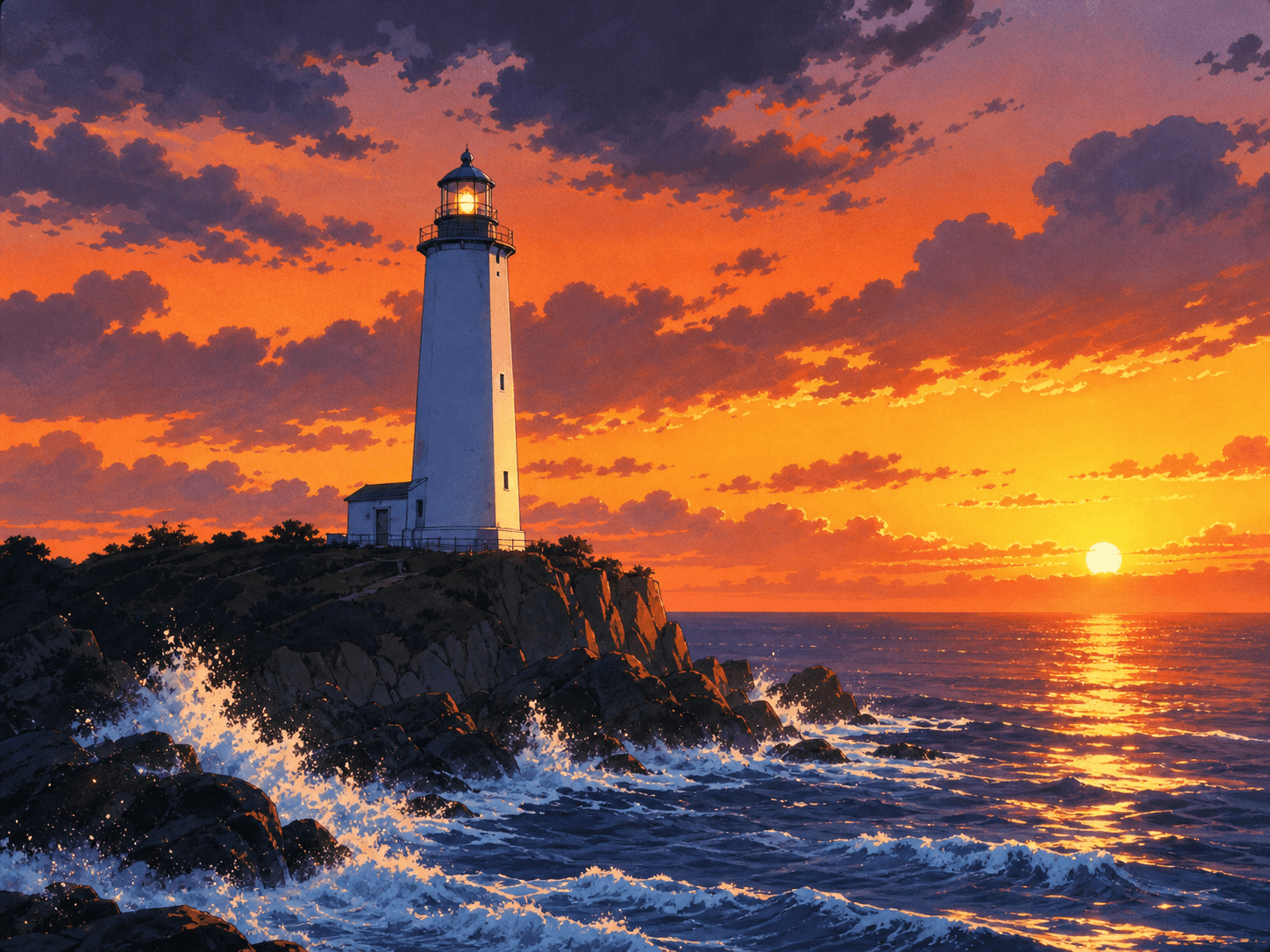
Large expressive eyes, clean cel shading, and dynamic poses in color (anime) or screentone black and white (manga). It is one of the most requested style families in AI generation, and also one where sub-flavor matters: "90s retro anime," "soft painterly anime film," and "high-contrast seinen manga" are three different results, so specify the flavor, not just "anime."
Prompt sketch: "A courier girl on a rooftop at sunset, retro 90s anime style, cel shading, warm film grain, wind-blown jacket, distant city haze."
Comic book and pop art
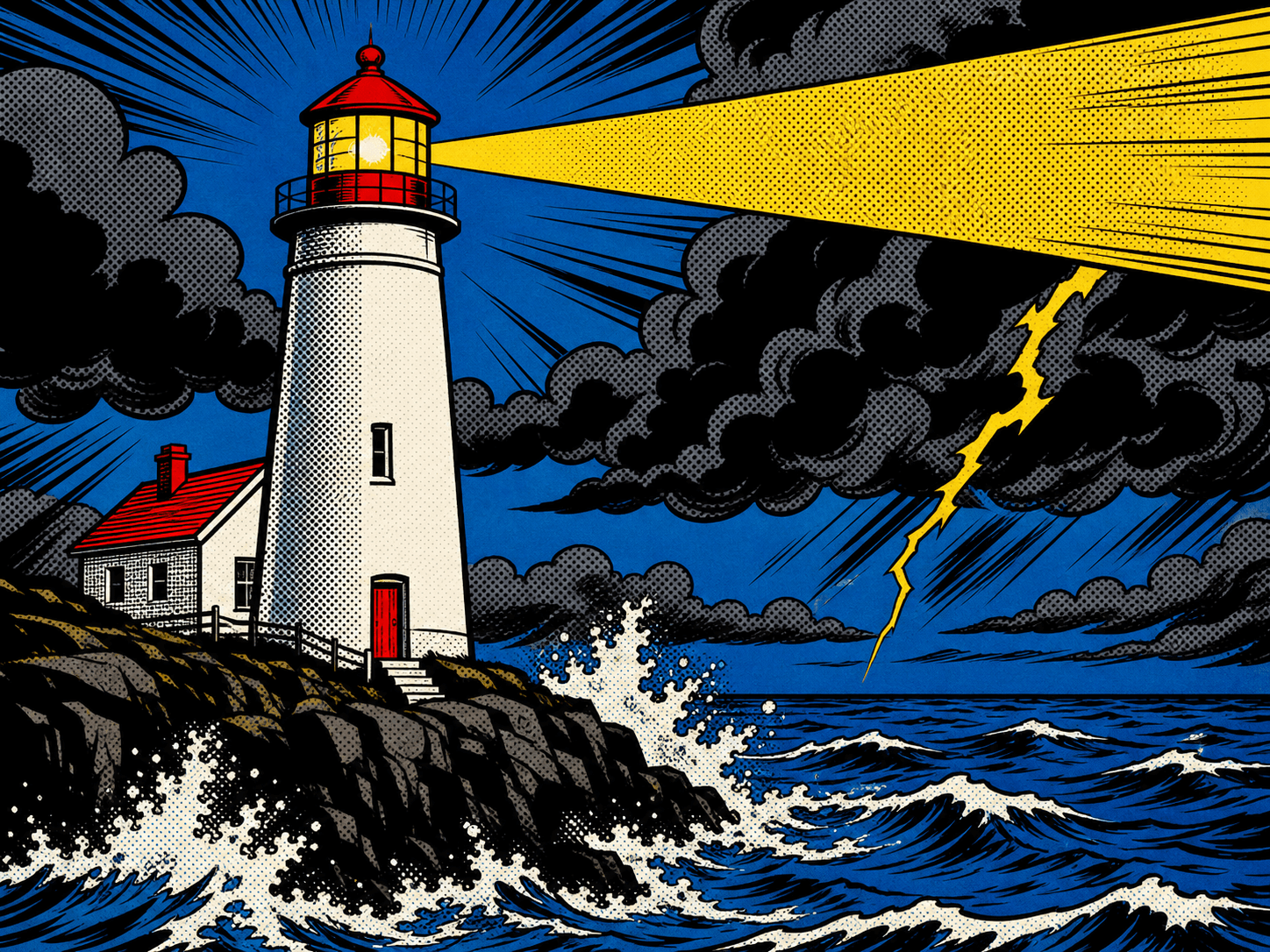
Bold outlines, halftone dot shading, and flat saturated color. The dot look descends from the Ben-Day printing technique that 1960s pop artists like Roy Lichtenstein magnified into a signature, and generators reproduce it well. Use it for punchy promotional images, quote cards, and anything that should feel loud and graphic.
Prompt sketch: "A skateboarder mid-kickflip, comic book panel style, bold black outlines, halftone dot shading, primary color palette, action lines."
Flat vector and sticker
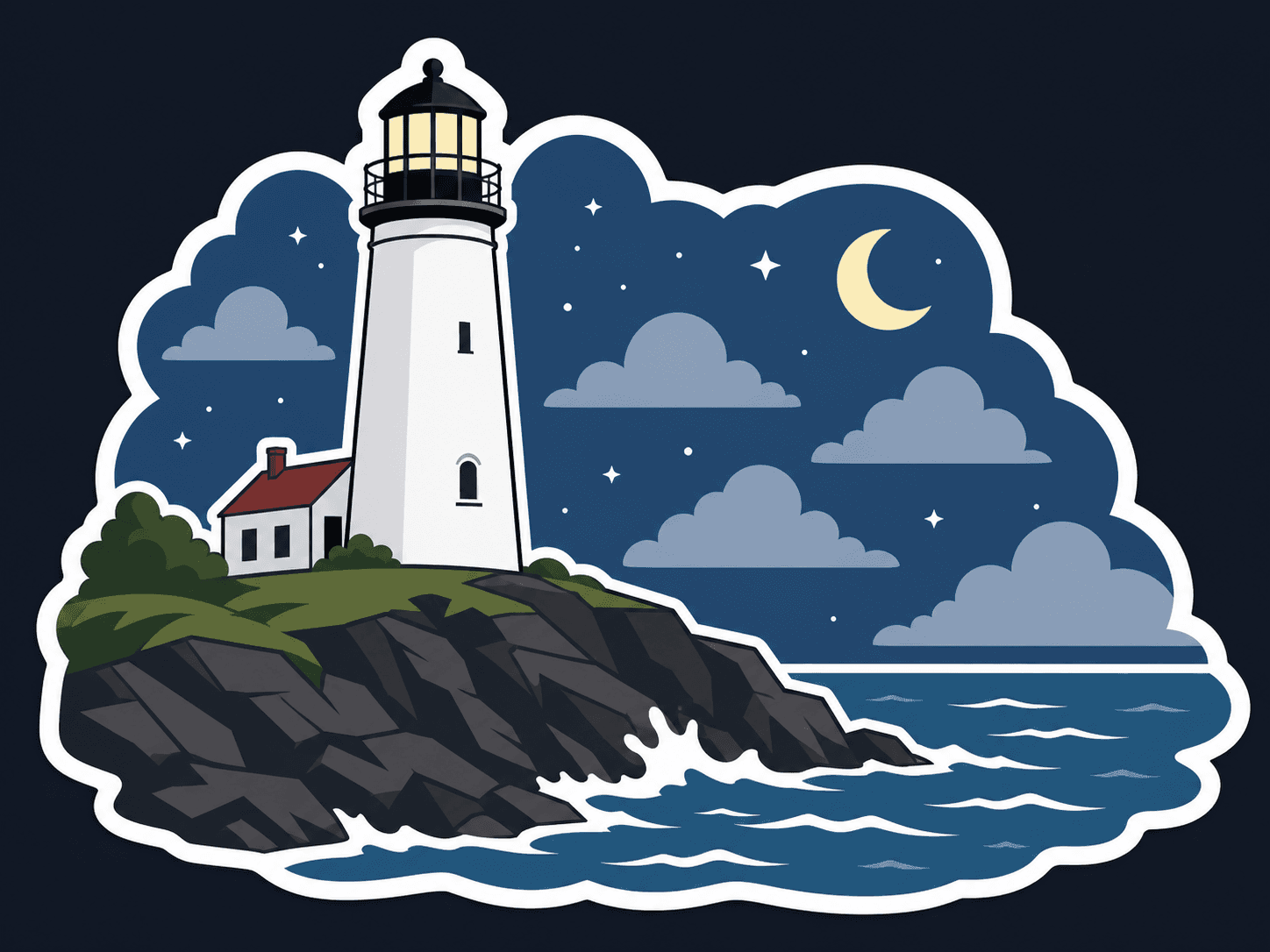
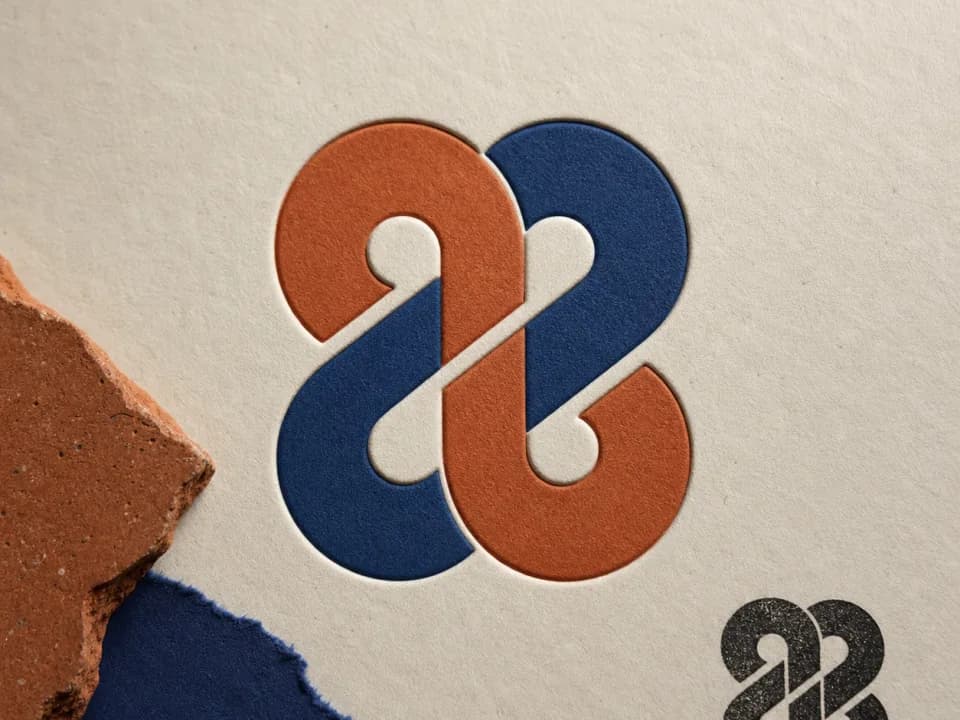
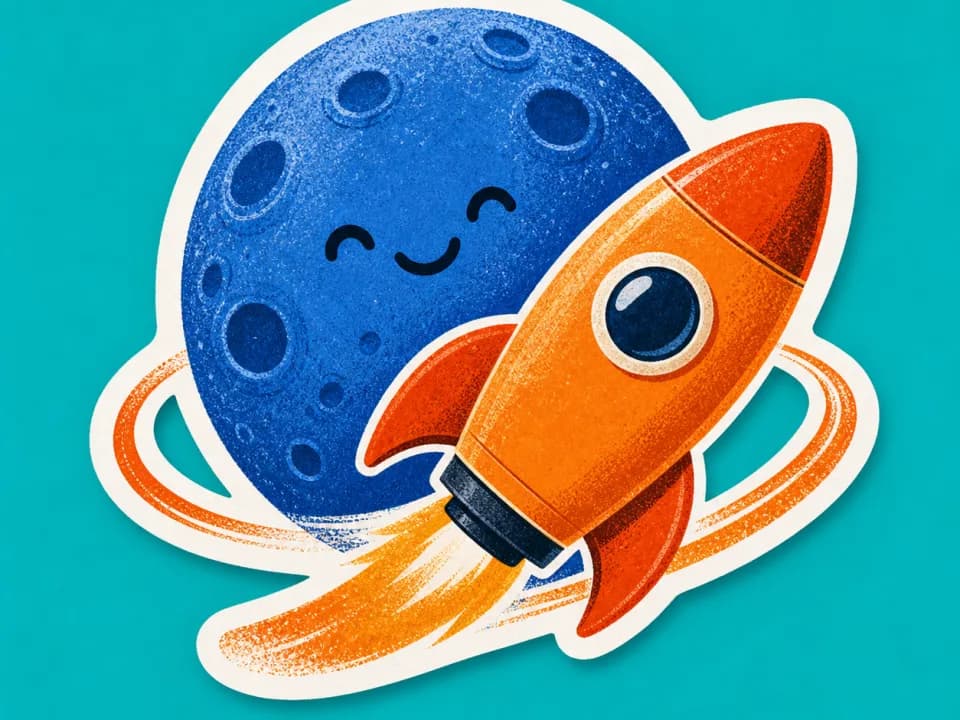
Simple geometric shapes, solid fills, no gradients or texture. This is the working style of modern logos, icons, and die-cut stickers because it stays legible at any size and reproduces cleanly in print. If the destination is a mark rather than a picture, the rules in our logo design guide apply before any prompt does; for sticker sheets, generate with a clean silhouette and a white or transparent background from the start using the sticker design generator.
Prompt sketch: "A smiling avocado holding a tiny coffee cup, flat vector sticker, thick white die-cut border, solid pastel fills, no gradients."
Pixel art
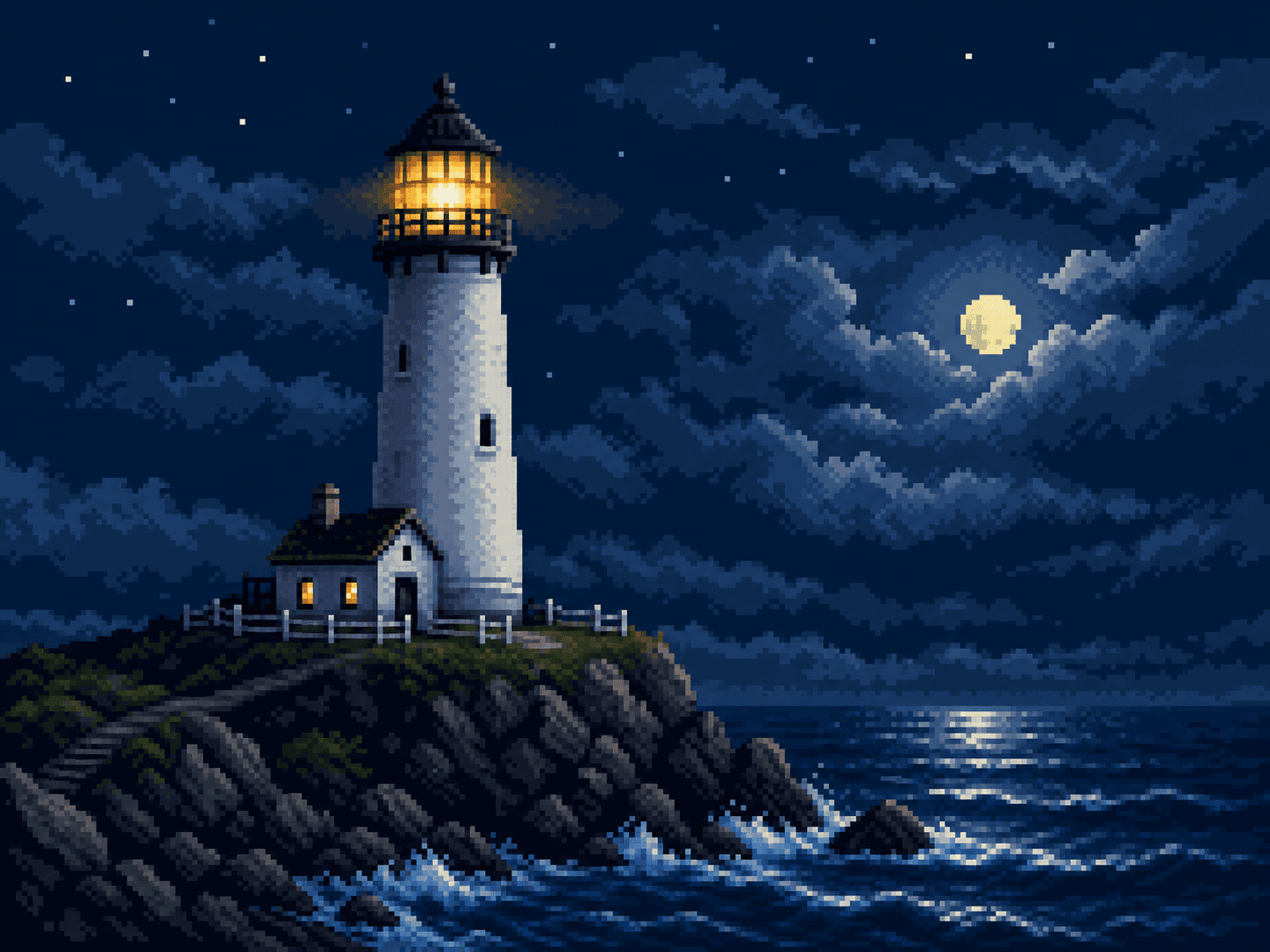
The deliberately low-resolution look born from early video game hardware, now a nostalgia style in its own right. Grid discipline is what sells it: chunky visible pixels, a limited palette, and no smooth curves. Specify a virtual resolution ("64x64 sprite") and an era reference ("16-bit era") to control how chunky it gets. It is a natural fit for game assets alongside the game character generator.
Prompt sketch: "A wizard's potion shop interior, 16-bit era pixel art, limited 16-color palette, chunky dithered shading, cozy lantern glow."
Low poly
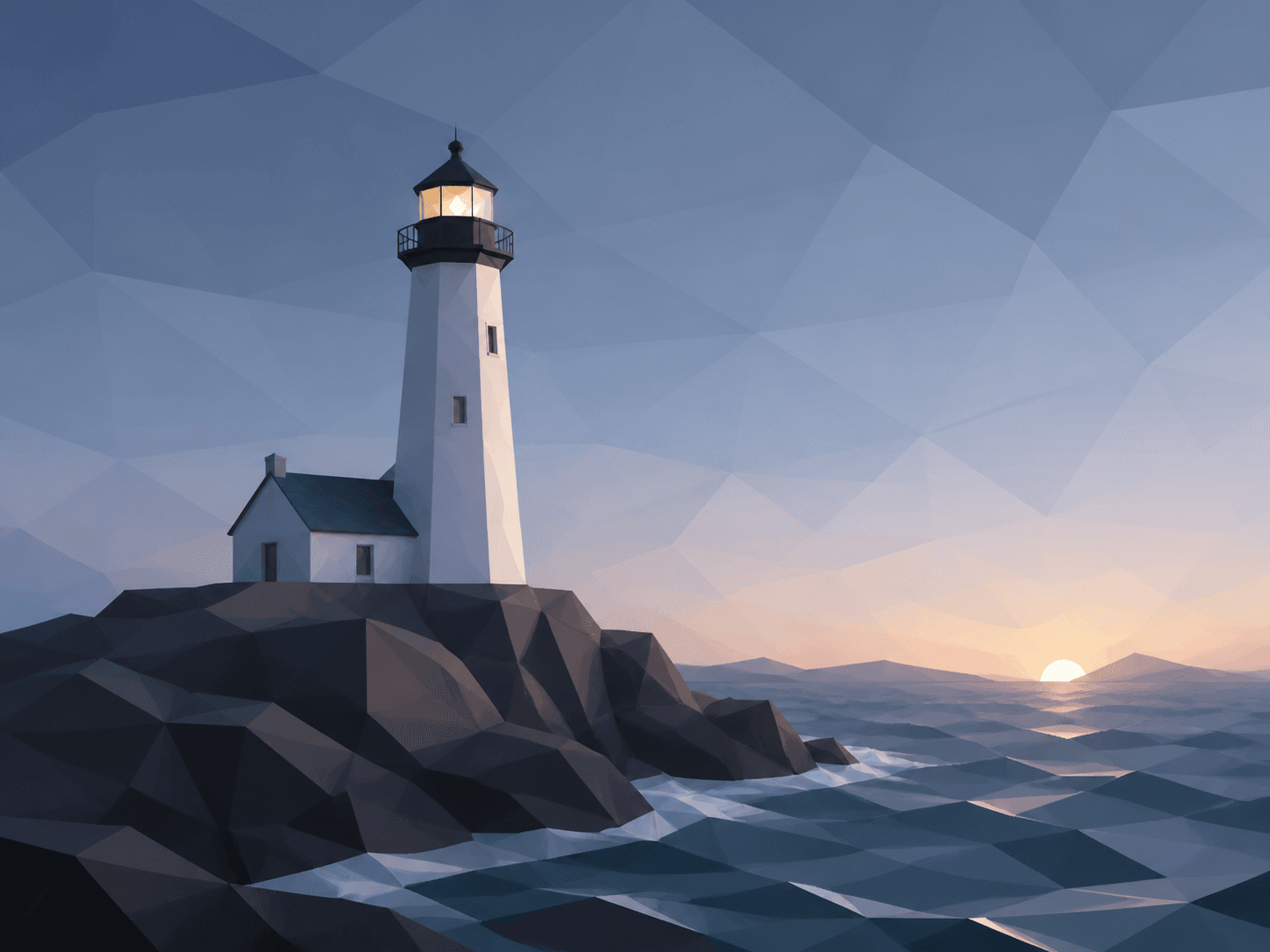
Objects built from visible flat triangles, a style that grew out of early 3D graphics constraints and stayed for the aesthetics. It reads modern and slightly abstract, works beautifully for landscapes and animals, and produces clean backgrounds for tech and product contexts.
Prompt sketch: "A stag standing in a snowy clearing, low poly 3D render, faceted triangular surfaces, cool dawn palette, soft studio lighting, minimal background."
3D render and clay
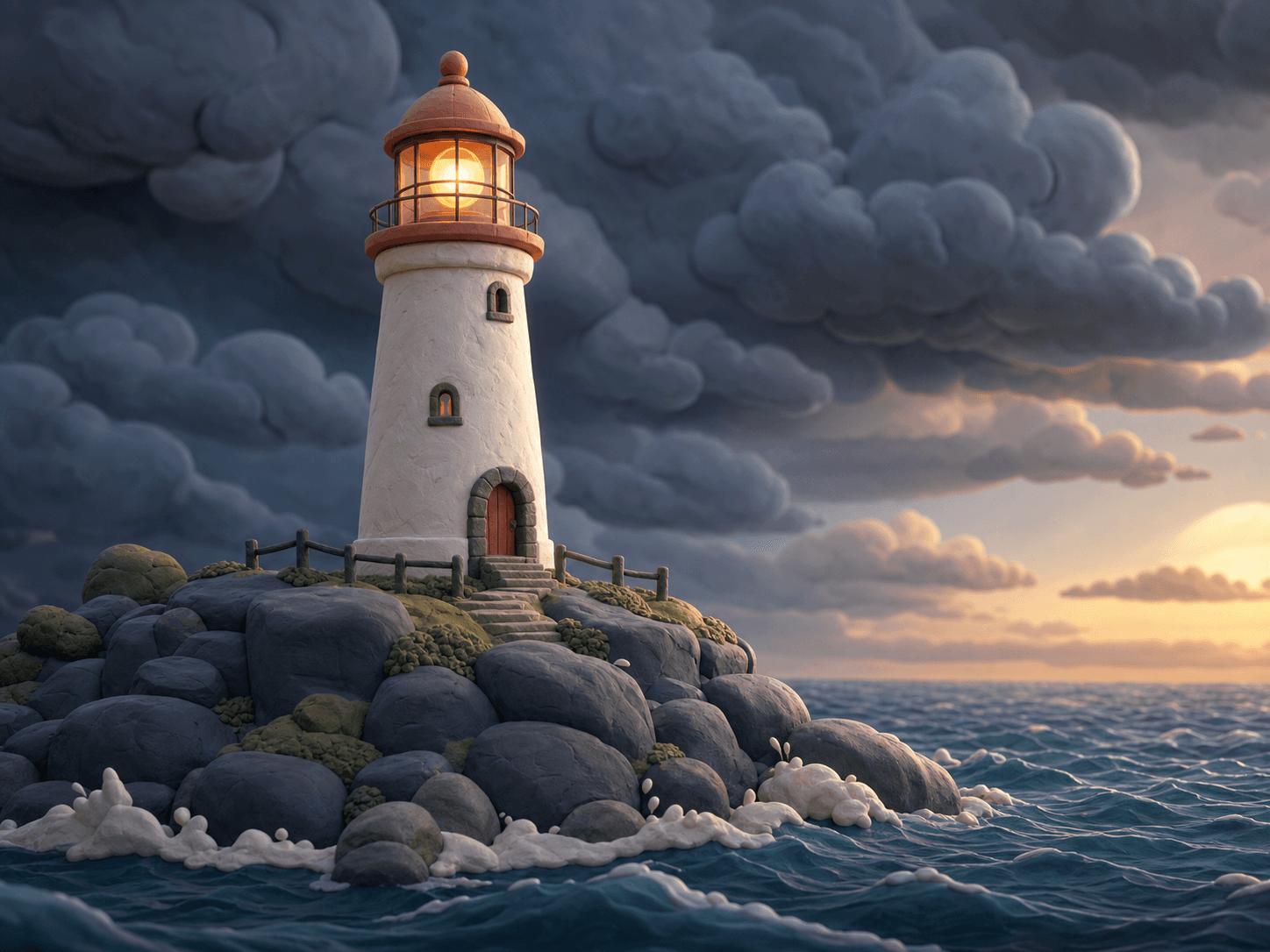
Soft rounded forms with studio lighting, the look of a modern animated film still or a claymation set. Friendly and dimensional, it has become a default for mascot characters, app illustrations, and product explainers. Ask for the material ("matte clay," "soft plastic," "felt") to steer the finish.
Prompt sketch: "A cheerful robot watering a houseplant, soft 3D render, matte clay material, rounded forms, pastel studio backdrop, gentle rim light."
Genre and mood styles
Cyberpunk
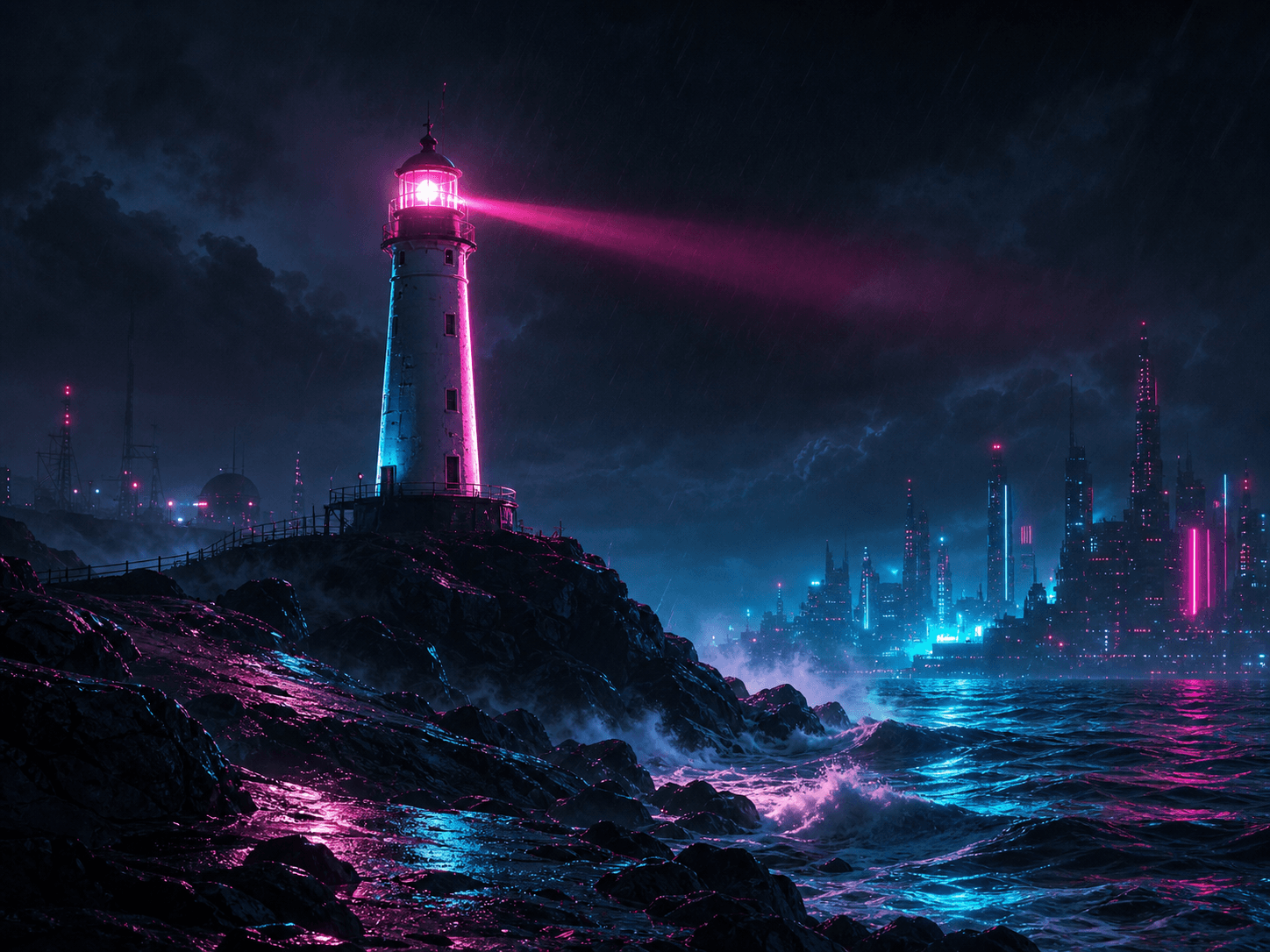
Neon signage, rain-slicked streets, and high tech against urban decay. The visual codes were set by Blade Runner (1982) and William Gibson's novel Neuromancer (1984), and they are deeply embedded in every major generator: prompt "cyberpunk" and you get the neon-noir palette almost for free. Push past the default with specific light sources and weather.
Prompt sketch: "A noodle stand in a narrow alley at night, cyberpunk, magenta and cyan neon reflections on wet pavement, steam, crowded signage, cinematic haze."
Surrealism
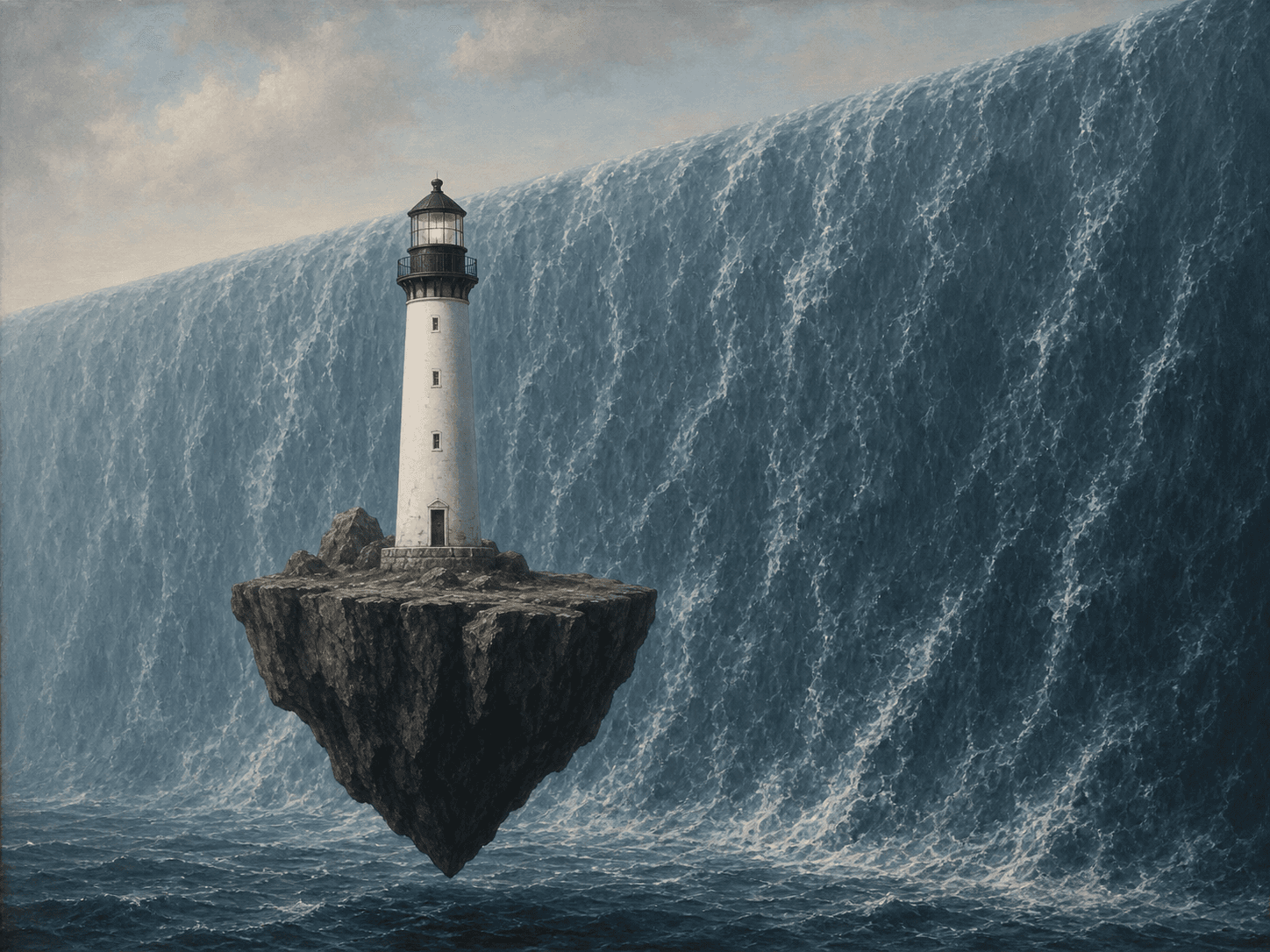
Dream logic rendered with realistic technique: impossible juxtapositions painted as if they were ordinary. The movement was launched by André Breton's 1924 manifesto in Paris, with Salvador Dalí and René Magritte becoming its most famous painters. In prompts, surrealism rewards one strong impossible idea over many small weird ones.
Prompt sketch: "A grand staircase descending into an open ocean sky, surrealist painting, crisp realistic rendering, single floating red umbrella, soft even light."
Fantasy concept art
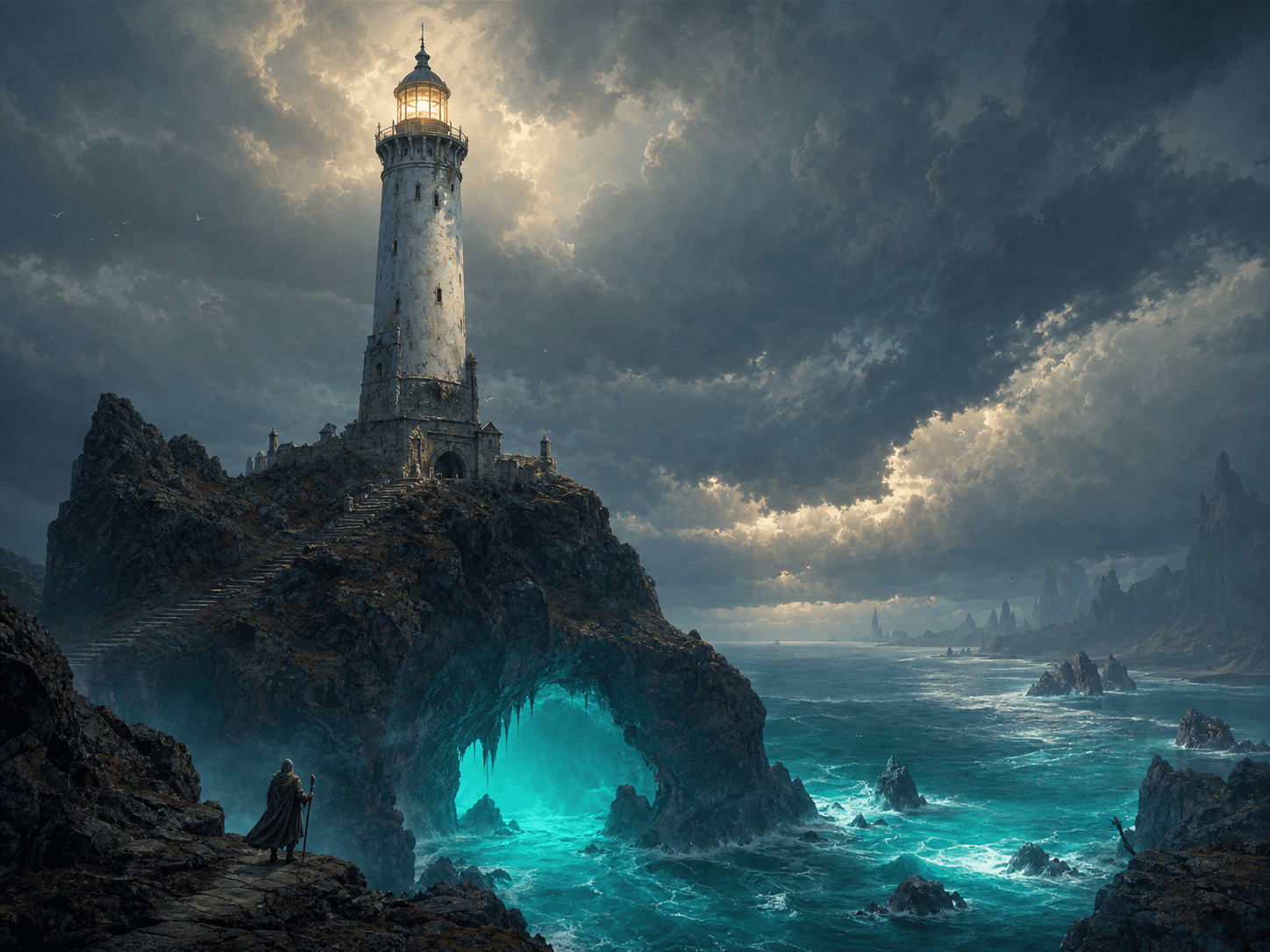
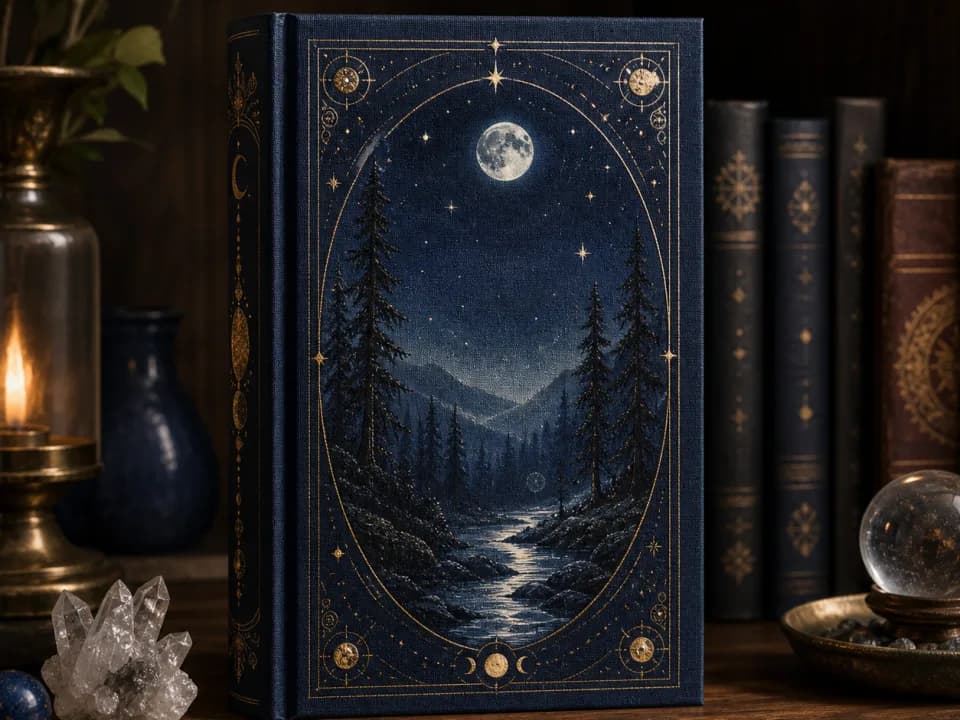
The painterly, detail-dense style of game and film pre-production: dramatic scale, atmospheric depth, and a clear focal read. It is the strongest choice for book covers in fantasy and science fiction, where genre signaling is the cover's whole job; our book cover prompt guide covers how to leave space for typography while you are at it.
Prompt sketch: "A ruined tower on a cliff above a glowing sea cave, fantasy concept art, epic scale, atmospheric perspective, single torchlit figure for scale, painterly detail."
Try a style on your own idea
The fastest way to internalize this list is to run one subject through three or four styles and compare. Pick a subject you actually need, paste one of the prompt sketches above with your subject swapped in, and generate. The freeform AI image generator takes plain language prompts like the ones on this page, and free trial credits mean the experiment costs nothing.
Try it now
Free to try, no account needed Example output
Your generated image will replace this example.
Artist names vs. movement names in prompts
A practical and ethical note: prompt with movement and medium vocabulary, not living artists' names. "In the style of [working artist]" imitates a person's signature look, which ranges from disrespectful to legally risky depending on use, and it is also usually unnecessary: "impressionist oil painting with broken brushstrokes" or "flat 1960s pop art with halftone dots" gets you the visual language without targeting anyone's livelihood. Historical movements, mediums, and techniques are shared vocabulary; a working artist's personal style is their product.
On ownership of what you make: under current US Copyright Office guidance, purely AI-generated images are not eligible for copyright protection on their own; protection attaches to sufficient human creative contribution, judged case by case. For commercial identity work like logos, trademark rather than copyright is usually the protection that matters, a distinction covered in the logo guide's FAQ.
Match the style to the job
A closing cheat sheet, because style choice is a production decision:
| You are making | Start with | Tool |
|---|---|---|
| A tattoo concept | Fine line, blackwork, American traditional | Tattoo design generator |
| A logo | Flat vector, geometric minimal | Logo design generator |
| A book cover | Fantasy concept art, cinematic | Book cover generator |
| A YouTube thumbnail | Cinematic, comic book contrast | Thumbnail generator |
| Stickers to sell | Flat vector sticker, die-cut border | Sticker design generator |
| A pet portrait gift | Watercolor, oil painting | Pet portrait generator |
| Anything else | Any style on this page | Freeform generator |
Styles compound with iteration: the second batch in a style is always better than the first, because you have seen what the words actually do. Pick one job, pick one style, and run the loop.