Guides
Virtual Influencer: What They Are and How They Work in 2026
Learn what virtual influencers are, how creators build them with a locked identity and written personality, and how the leading accounts operate in 2026.
A virtual influencer is a fictional character who posts on social media like a human creator, except the character is not a real person and their photos are computer-generated. A real team behind the account chooses what the character does, writes the captions, and handles brand deals. The early ones were painstaking CGI; the current generation is built with AI image tools and layered with a written personality and voice, which is why one person can now run a character that used to take a studio. This guide explains what a virtual influencer actually is, how the modern ones are built, the accounts worth knowing, and the honest answer to how much they make.
What is a virtual influencer?
A virtual influencer is a digital persona, an invented person with a name, a look, and a point of view, whose images are generated rather than photographed, and who maintains a social media presence the way a human influencer does. The defining trait is that the character is not real while the account is run in earnest: it follows a niche, posts on a schedule, replies to comments, and takes sponsorships. Audiences follow the character knowing (or increasingly, being told) that it is synthetic.
Two things separate a virtual influencer from a folder of nice AI images. The first is a consistent identity: the same face, build, and defining features have to appear in every post, or the illusion of a single person collapses. The second is a persona: a stable personality, voice, and story that make the character feel like someone rather than a mannequin. Get either wrong and you have stock art, not an influencer.
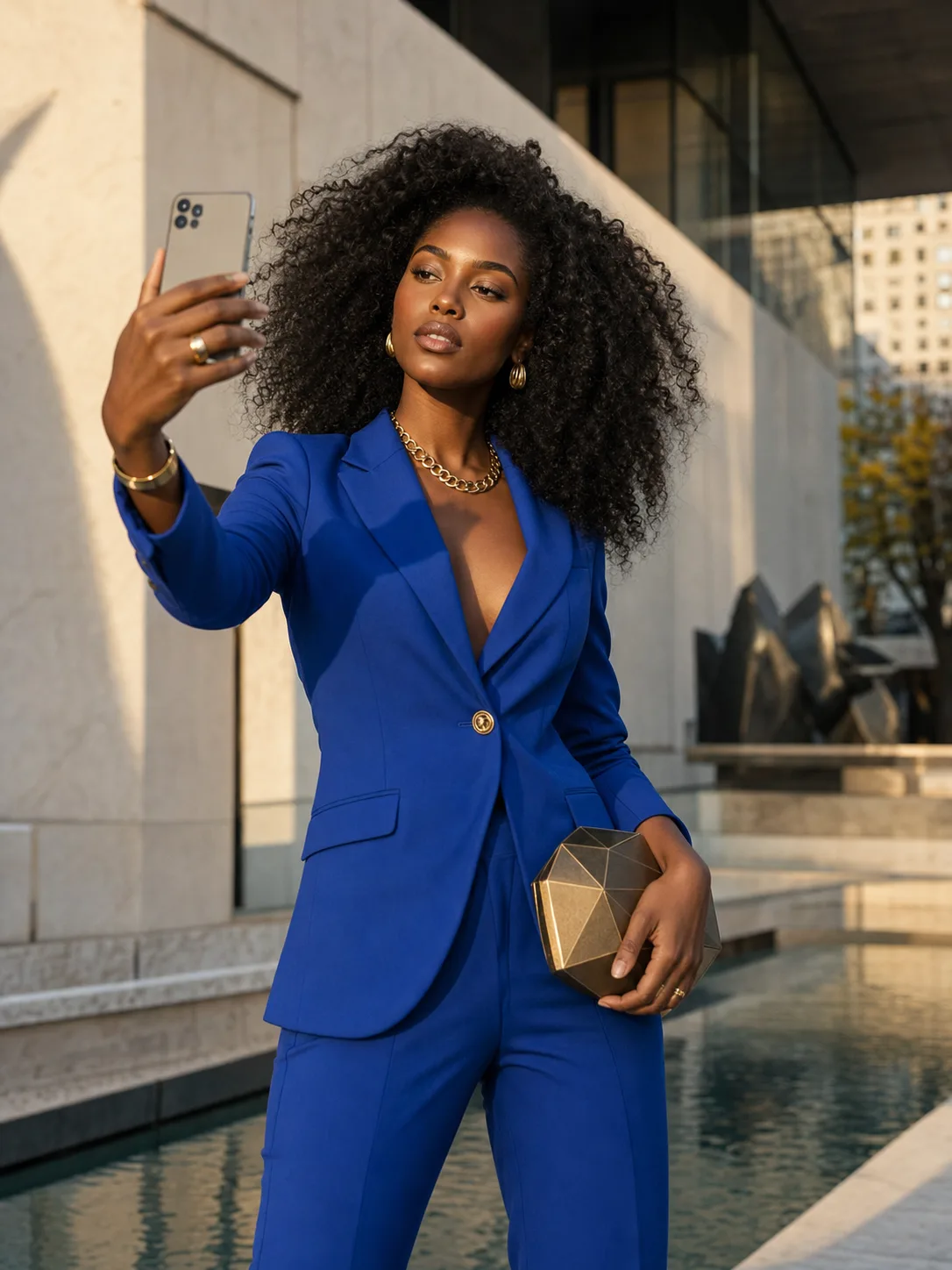
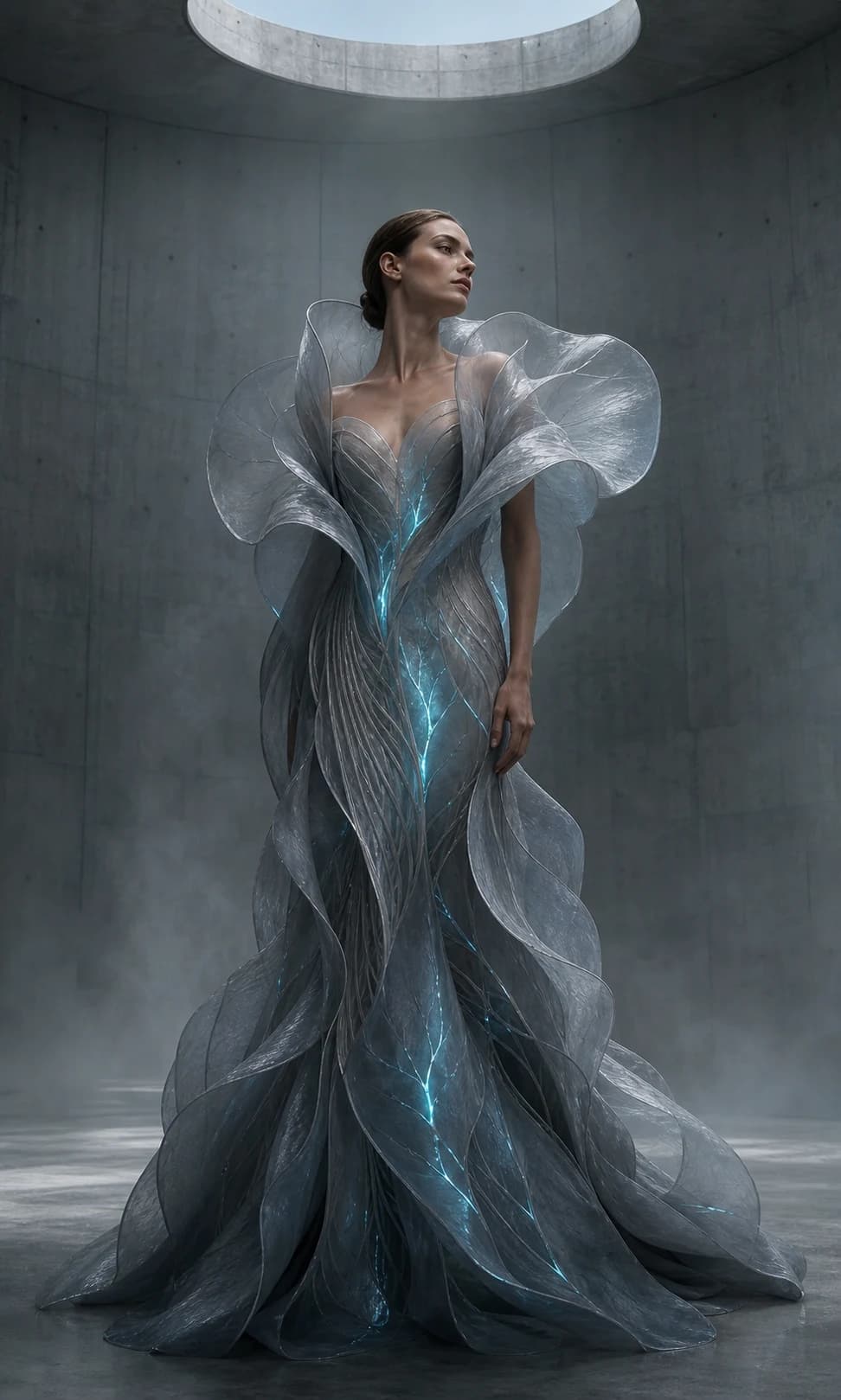
Fashion and luxury
Editorial styling, recognizable taste, and a consistent face turn each post into part of one visual world.
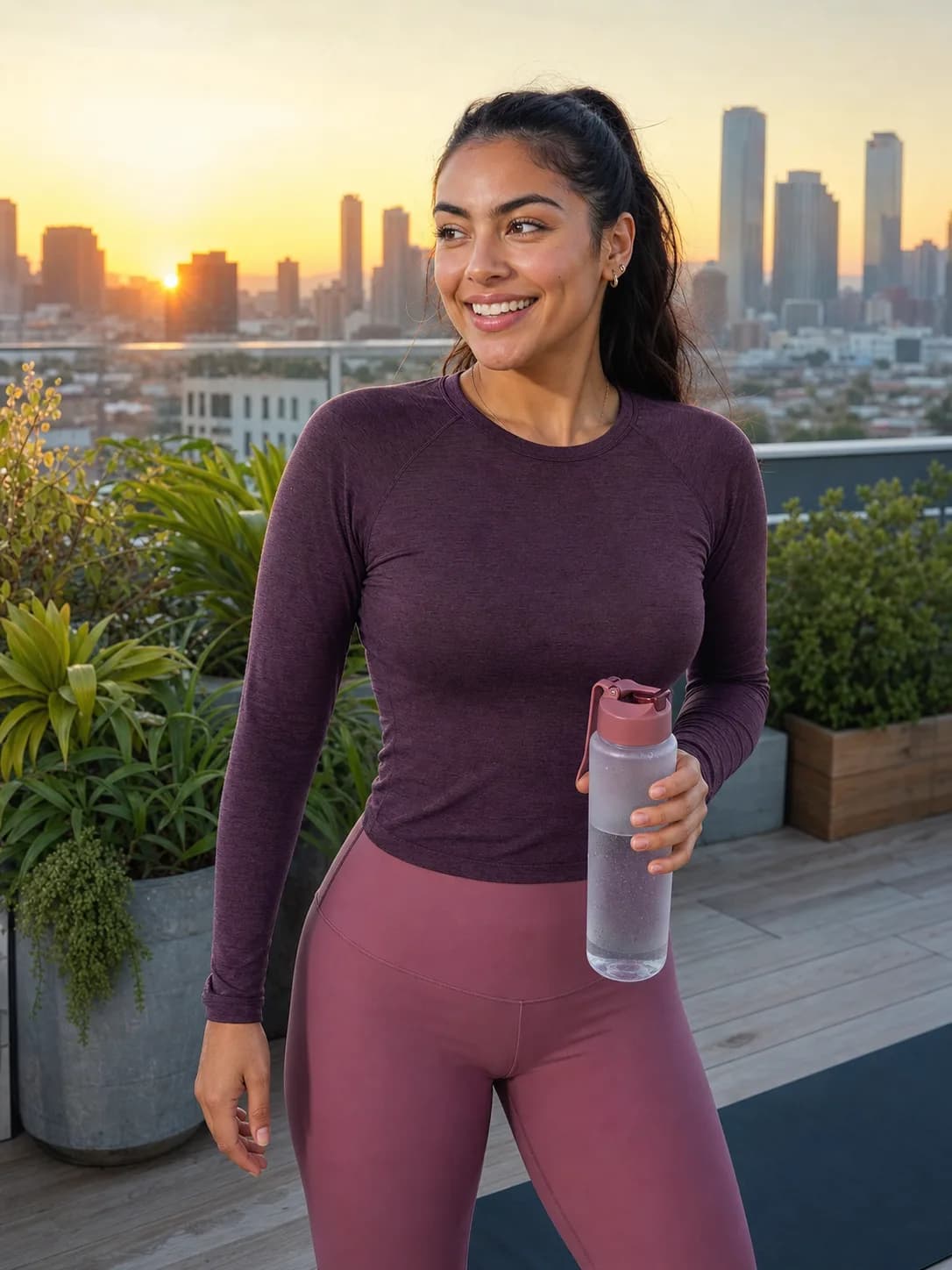
Fitness and wellness
A clear niche gives the persona repeatable routines, settings, partnerships, and useful audience expectations.
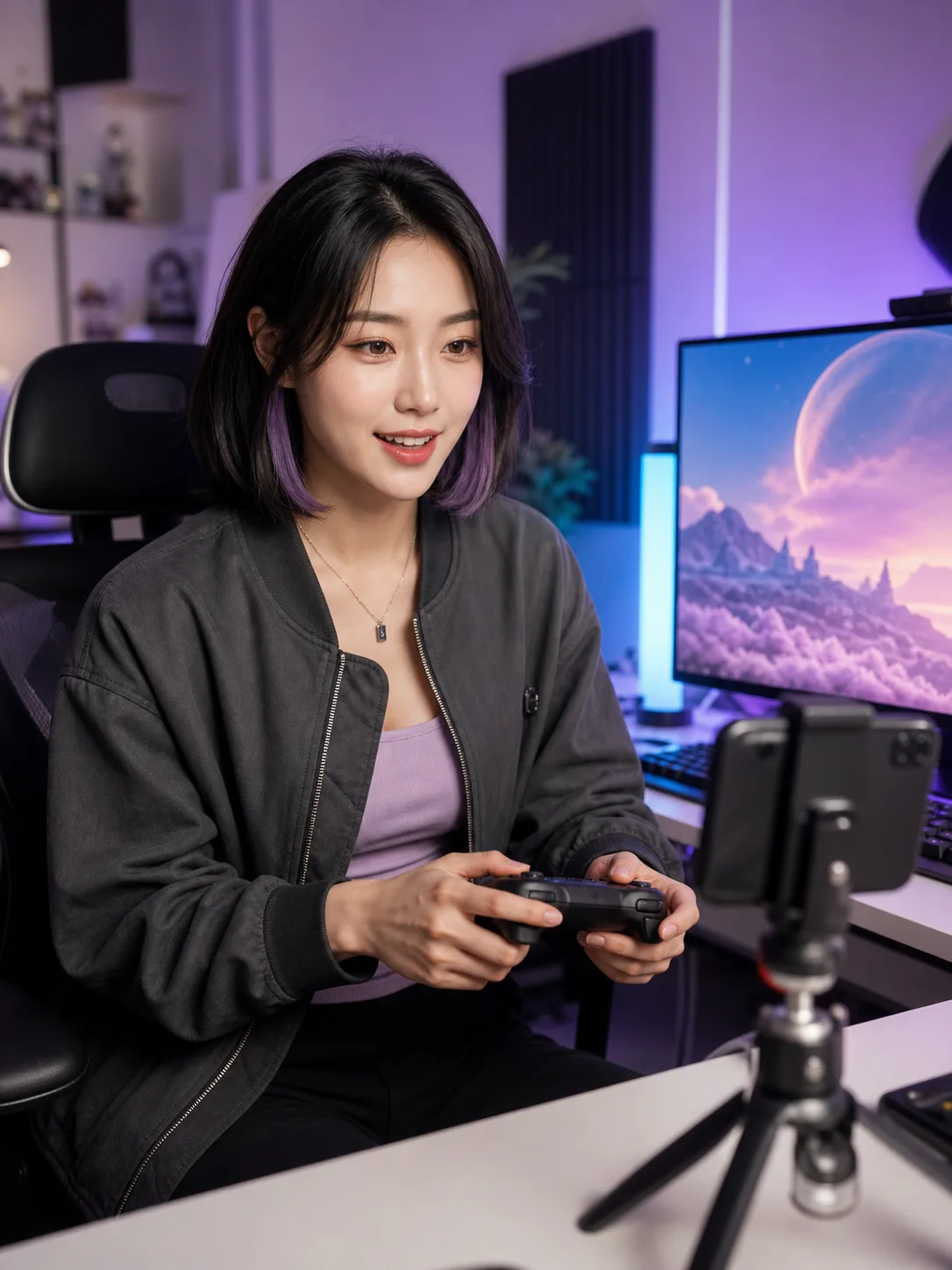
Gaming and tech
The character's voice and environment make product commentary feel native to a specific creator community.
How virtual influencers work now
The original virtual influencers were 3D-rendered by teams of CGI artists, one frame at a time, which is why they came out of agencies and studios with real budgets. That is still how some are made, but it is no longer the only way, and it is not how most new ones are built. The modern stack has three layers.
- A locked visual identity. Instead of re-rendering a model, creators fix the character's appearance once (often as a reference or character sheet) and generate every subsequent image against it, so the face stays the same person across hundreds of posts. Holding one identity steady is the hard technical part, and it is covered in depth in our guide to consistent character AI.
- A written personality and voice. A believable character has a tone, a niche, a backstory, and things it would and would not say. That personality is what turns a recurring face into a person, and it is what captions and replies are written in.
- AI image generation for the day-to-day. New scenes, outfits, and settings are generated on demand rather than shot, which collapses the old studio pipeline into a workflow one person can run from a browser.
Early icons like Lil Miquela proved the concept with heavy CGI; the shift since then is that the same result no longer requires the CGI team. The moat moved from rendering to the accumulated character: the identity, the voice, and the memory that make the persona coherent over time.
Notable virtual influencers
Follower counts move constantly, so what matters is what each account is known for. A few defined the category.
- Lil Miquela (@lilmiquela). The account that started the mainstream conversation. Created by the Los Angeles studio Brud and launched in 2016, Miquela has millions of followers, a music career, and campaigns with brands including Prada, Calvin Klein, and Samsung. She has always been openly virtual, which never slowed the growth, and she remains the reference point journalists reach for.
- Imma (@imma.gram). Japan's first virtual model, created by the Tokyo company Aww Inc. and instantly recognizable for her pink bob. She has worked with brands like IKEA Japan, Nike, and Porsche, and is a good example of a virtual persona treated as a fashion and lifestyle figure rather than a novelty.
- Noonoouri (@noonoouri). A stylized, doll-like digital character created by designer Joerg Zuber, working in luxury fashion with houses like Dior and Valentino. In 2023 she signed a record deal with Warner Music and released a debut single, a sign of how far the format now stretches beyond still images.
- Aitana López (@fit_aitana). A pink-haired fitness and lifestyle persona from the Barcelona agency The Clueless, created after the agency grew tired of the cost and unpredictability of human shoots. She is one of the clearest cases of a purpose-built AI persona run as a business, and is widely cited in reporting on virtual influencer income (more on that below).
How virtual influencers are made today
Stripped of the studio, the modern workflow is a repeatable four-step loop, and each step maps to one of the layers above.
- Design the character and lock the look. Decide the name, appearance, and vibe, then commit to a canonical face by producing a character sheet you are happy with. Everything downstream inherits from it, so this is where to iterate.
- Write the personality. Give the character a tone, a niche, a backstory, catchphrases, and topics it avoids. This is the voice every caption and reply will be written in.
- Generate content against the locked identity. Describe scenes and get consistent images of the same character, no reshoots, no drift.
- Write in voice and stay in character. Caption each post in the persona's voice for the target platform, and reply to comments and DMs as the character to keep the illusion of a real, present person.
This is the workflow Dream Pixel Forge is built around, and it is one honest way to run the loop end to end. You define a persona by describing the look (or starting from one of its presets, or importing up to five reference photos), approve a character sheet that locks the identity, and then generate every image against that same locked character in the persona studio. On top of the visuals it holds a structured personality (tone, niche, backstory, catchphrases), writes captions in that voice with platform-specific variants for Instagram, TikTok, and X, and keeps a persistent chat so you can talk to the character as you develop it. It does not generate video, so it covers the still-image and text side of a persona rather than talking-head clips. For the full step-by-step, see our guide on how to create an AI influencer, and for the Instagram-specific playbook, AI Instagram models.
Disclosure and labeling
Running a virtual influencer honestly means labeling it, and the major platforms increasingly require it. YouTube introduced a disclosure rule for realistic altered or synthetic content and began enforcing it in early 2025. TikTok rolled out automatic detection and labeling of AI-generated media using Content Credentials in 2025, though it exempts the text and planning layers (AI-written captions, suggested hashtags, script help) and applies the label to the synthetic image or video itself. Meta labels AI content across Facebook and Instagram and requires advertisers to self-certify AI-generated material in ads. In the EU, the AI Act's transparency obligations for AI-generated content are scheduled to apply in 2026, adding a legal duty on top of the platform rules.
The practical takeaway is consistent across all of them: label the persona as AI, never use a real person's face or name without permission, and disclose paid partnerships. The biggest virtual influencers do not hide what they are, and platforms have said labeling does not suppress reach. Disclosure is a trust asset, not a tax.
Are virtual influencers worth it?
For a brand or a creator who wants a controllable, always-available character, the appeal is real: no photoshoots, no scheduling, total control of the message, and unlimited consistent images once the identity is locked. The catch is that the tooling solves content production, not distribution or authenticity. A virtual influencer still has to earn an audience the slow way, with a clear niche and a steady cadence, exactly like a human account. If your interest is specifically the brand-owned, marketing side of this, our guide to AI influencer marketing covers the reusable-spokesperson angle in depth.